
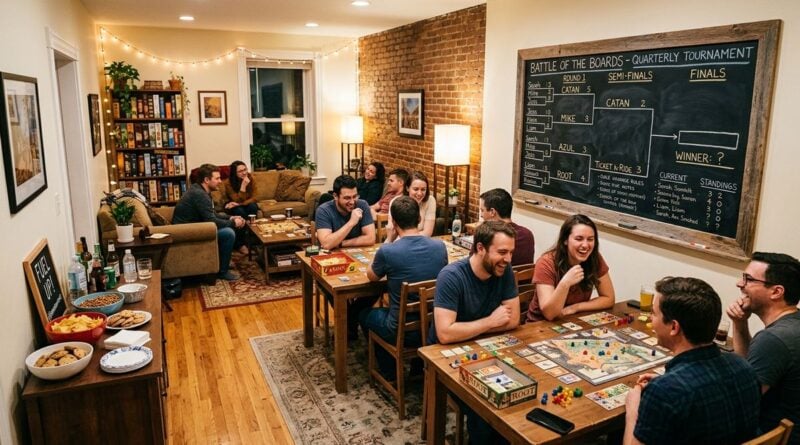
Picking a Game Night Host Rotation So Nobody Carries Everything
Game nights can bring a small team together, yet one enthusiast often ends up hosting, buying snacks and packing up every box. Resentment builds quietly when the same person always clears the table. A simple host rotation spreads the effort, gives everyone a say in the games and keeps the evening fun. This article offers general guidance for colleagues, neighbors or relatives who want regular board game sessions.
Why a Rotation Beats a Single Host
A single host works until life gets busy, and then the group loses its regular evening. A rotation shares the responsibility so that no one person becomes the default organizer. Readers may also want to visit naturefocusthailand.com. Everyone gets a turn to choose the venue, pick the first game and welcome newcomers.
A rotation also reveals each person’s strengths. One member may love explaining rules, while another prefers quiet setup and tidy-up. Matching jobs to interests keeps the group happy and makes the evening feel less like a chore. Write the rotation on a shared calendar so the next host is never a surprise.
Assigning Snacks, Setup and Cleanup
Divide the practical tasks into three clear jobs: food, setup and cleanup. The food person brings a simple snack that suits the table and any dietary needs the group has mentioned. The setup person lays out the board, sorts the pieces and checks that the rules are available. The cleanup person packs the games and wipes the surfaces before everyone leaves.
Some groups prefer a potluck, with each guest bringing one dish. You can also visit Morskoiboy.com for more reading. That approach avoids a single shopping trip and spreads the cost. Keep the menu simple so that the evening does not turn into a cooking contest. Simple food keeps attention on the games.
Choosing Games Everyone Can Join
Choose games that suit the mix of players rather than the most confident member. Light strategy games and cooperative puzzles often work well for mixed groups. For a related read on this site, see Weekly Checks That Keep a Landscaping Contract Clear. A game that takes three hours can frustrate a group that planned for one.
Rotate the choice of game as well as the host. Each person chooses one game for the rotation, and the group tries it before the evening ends. This habit introduces new titles without pressure. Over time the group builds a shared list of favorites that everyone recognizes.
Keeping Score Friendly and Light
Competition can add energy, but it can also create friction when someone feels they lost unfairly. Agree before the game starts that the goal is to have a good time, and that winning is a bonus. Keep scoring simple and avoid long tallies that slow the pace. Quick scoring helps the evening move along.
If a player becomes frustrated, pause the game and ask what would make the next round more enjoyable. Sometimes a small rule change or a short break restores good humor. Remind the group that rules exist to support fun, not to win arguments. A relaxed attitude makes a repeat evening much more likely.
Some players enjoy the chance to set their own challenge, such as trying a strategy they have never used before. Invite them to share that goal before the first turn, and let the group cheer small wins. Personal challenges keep everyone engaged even when the leader is ahead.
Keep a notebook of memorable moments, such as a surprising comeback or a clever bluff in a cooperative game. Reading it aloud at the next session brings the group back together. Shared memories make the rotation feel meaningful.
Ending the Evening With a Quick Review
Finish each session with a short conversation about what worked and what could improve next time. Ask the host to note any requests, such as a longer break or a different start time. Keep the review light, perhaps one comment from each person. Small adjustments made openly keep the rotation working smoothly.
Thank the host and the helpers, even if the evening was simple. A quick word of appreciation encourages the next person to volunteer. Gratitude makes the rotation feel like a privilege rather than a duty. Everyone leaves knowing the next evening will be just as welcoming.
Ask newer members whether the rules felt clear, because a confused newcomer is the best early warning for a rough evening. Offer a short walkthrough for anyone who wants one. Guests who understand the game stay longer and return more often.
Rotate the responsibility for the closing thank you as well, so the group practices appreciation together. A simple round of kind words works well even for a short evening. The habit of gratitude becomes part of what the group is known for.
Game Nights That Last
A shared host rotation turns a casual game night into a dependable habit that the whole group can enjoy. Start with a simple calendar this month and invite each person to name one game they would like to host. The rest of the schedule can follow naturally from there.