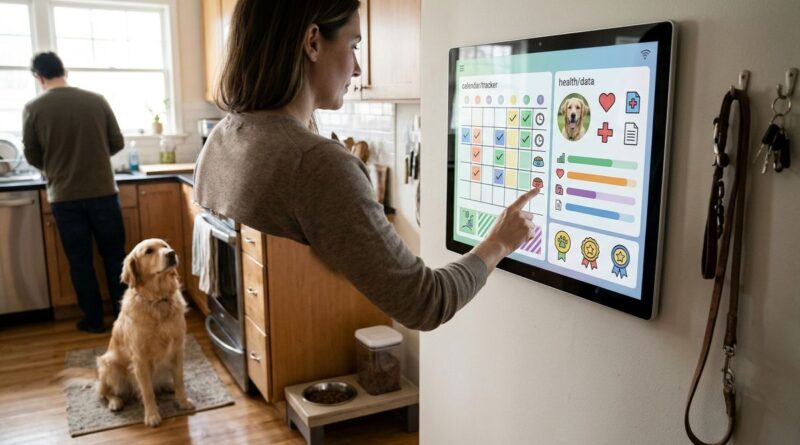
Organizing Your Pet’s Health Records and Digital Future
Managing the daily needs of a pet requires more than just providing food and affection; it involves keeping track of an expanding array of information. From vaccination schedules and dietary requirements to emergency contacts and grooming routines, the amount of data can quickly grow. Establishing a reliable system for organizing these details ensures that you remain prepared for routine visits and unexpected situations alike.
The Importance of Comprehensive Pet Record Keeping
Maintaining a clear, accessible record of your pet’s health history is one of the most proactive steps you can take as a pet owner. A well-organized dossier acts as a central hub for all essential information. When you have this history readily available, you can share accurate details during appointments, which helps your veterinary team provide the best possible care for your companion.
Start by gathering all existing documents into one dedicated folder, whether it is physical or digital. This should include copies of vaccination records, details about previous treatments, and a list of any known allergies or sensitivities. Having this information in one place simplifies the process when you need to provide data to a pet sitter, a new veterinarian, or even a kennel. The goal is to reduce the stress of searching for papers when you need them most.
Streamlining Health Information and Daily Care
Consistency is key to a pet’s wellbeing. Creating a structured routine helps you keep track of daily habits, such as medication schedules, exercise patterns, and dietary adjustments. When you are looking for general guidance on daily wellness routines, behavioral training, or understanding specific breed requirements, a resource like dogs-info.net can provide valuable information on these essential topics.
In addition to health tracking, keeping a simple diary of behavioral changes or dietary responses can be incredibly useful. While you do not need to overcomplicate the process, noting small adjustments can give you a better understanding of what makes your pet comfortable and happy. This information, when reviewed alongside your veterinary records, creates a more complete picture of your pet’s overall health.
Ensuring Secure Storage for Vital Records
As you accumulate documents, consider how you will protect them for the long term. Physical copies should be kept in a fireproof or secure location, but digital copies offer the advantage of being easily shared and backed up. You might scan your records and store them in a secure, encrypted cloud service or on a dedicated drive that you keep separate from your primary computer.
As more people look for modern ways to manage information, sometimes the tools found on sites like crypto 30x pro provide perspectives on how to securely track and manage complex digital assets over a long period, which can be useful when you consider how your family’s essential records—including your pet’s lifelong health documents—should be stored and maintained for future access. Using secure, reliable methods ensures that your data remains private while being accessible exactly when you need it.
Building a Shared Support Network for Pet Care
Pet care often involves multiple family members or roommates, and delegating responsibilities helps prevent burnout. Creating a shared calendar or a simple task board can make it clear who is responsible for feeding, walking, or administering medication. This shared accountability ensures that no single person carries the entire load of daily pet maintenance.
Pet care also involves managing household logistics, which can sometimes become unbalanced. Just as we discussed in our earlier advice on picking a game night host rotation, distributing pet-related tasks ensures that one person does not become overwhelmed by daily chores. By fostering this collaborative approach, you create a more stable environment for your pet and a less stressful experience for everyone involved in their care.
Effective Ways to Divide Pet Responsibilities
- Create a weekly chore chart that lists essential tasks such as walking and feeding.
- Use a digital, shared calendar to schedule vet appointments and reminders for medication.
- Establish a communication channel, such as a group message, to report any changes in your pet’s behavior or dietary needs.
- Set up a rotating schedule for more demanding tasks like grooming or ordering supplies to ensure fairness.
Planning Ahead for Your Pet’s Long-Term Needs
Thinking about your pet’s future needs is a responsible part of long-term ownership. This involves more than just health records; it also means considering what would happen if you were unable to care for your pet temporarily or permanently. Documenting care instructions, dietary preferences, and contact information for local care providers ensures that your pet’s needs continue to be met, regardless of changes in your circumstances.
Regularly reviewing and updating these documents ensures that your information remains current. As your pet ages, their needs will shift, and having a system in place that allows for easy updates makes the transition smoother. Taking the time to organize these details now provides peace of mind, knowing that you have established a clear and thoughtful plan for your companion’s wellbeing, regardless of what the future holds.