
Monthly Box, Annual Pass or Pay-Per-Visit: Membership Models for a Hobby Nursery
A hobby nursery that also hosts game nights and workshops faces a practical question: how should customers pay to take part? Three membership models are common. A monthly box subscription delivers plants or supplies on a steady schedule, an annual pass gives members access to events for a longer period, and pay-per-visit keeps the commitment light. Each model shapes cash flow, customer loyalty and the day-to-day work of the staff in a different way.
This article compares those three models and explains where each one fits best. It offers general business information and does not set specific terms for any particular shop. The right model depends on your customers, your space and the kind of activities you run. Think about how often people visit, how much they like to plan ahead and how easily your team can manage bookings, deliveries and reminders.
Monthly Box Subscription
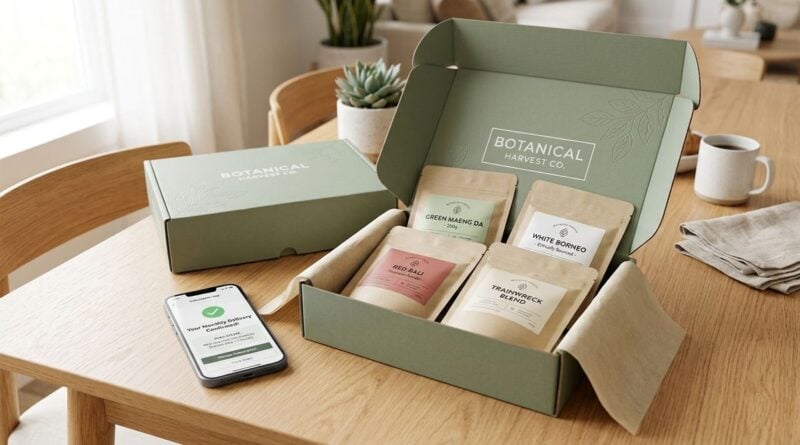
A monthly box subscription sends members a curated selection of plants, seeds or game accessories each month. This creates predictable revenue and gives your team a clear rhythm for stock and packing. Members enjoy surprise items and regular contact with the shop. The challenge is that each box requires careful selection, storage and packing, and a weak month can disappoint subscribers who expected variety.
This model suits shops with strong inventory control and a team that enjoys curating themed boxes. It also works well when you can pair plant care notes with a board game night theme. Keep the terms simple and state clearly what happens when a member pauses or cancels. Readers may also want to visit snm-education.com.
Annual Pass Membership
An annual pass gives members access to workshops, game tables, plant swaps and shop discounts over a longer period. Customers commit upfront, which improves early cash flow and encourages them to use the space regularly. The pass also builds a community around the shop. The drawback is that the benefits must feel generous enough to justify the commitment, and the shop must deliver a steady stream of events to keep passholders engaged.
This option fits businesses with a regular event calendar and a space that can handle repeat visitors. It also suits customers who plan their hobbies in advance and like the security of a set membership. Track attendance so you can see which events are most popular and which need adjusting. You can also visit Raku Raku School for more reading.
Pay-Per-Visit Access
Pay-per-visit access charges each customer for a single session, workshop or table booking. For a related read on this site, see Training Pet Sitters to Read Animal Body Language. This keeps the entry point low and makes the shop accessible to newcomers who are unsure about a commitment. Revenue arrives steadily with each visit, and there is no membership administration to manage. The trade-off is less predictable income and fewer built-in reasons for customers to return quickly.
This model suits shops that are still testing their audience or that rely on walk-in traffic. It also works for seasonal activities that draw casual visitors rather than dedicated members. Make booking simple and reminders clear, since a smooth first visit often leads to a second one.
Choosing a Membership Model
Start with your customers. A loyal crowd that plans ahead may enjoy an annual pass, while enthusiasts who love surprises may prefer a monthly box. If your audience is still forming, pay-per-visit gives you flexibility to learn what people want. Look at your staffing as well, because subscriptions and passes need more admin than single bookings.
Next, consider your space and inventory. Boxes require storage and reliable supply, while passes depend on the room and the event calendar. Pilot a model with a small group before committing fully, and listen closely to feedback. Many shops combine two models, such as a pass for events plus occasional pay-per-visit sessions for guests.
Terms also deserve attention, though the details should come from your own market research rather than from any general rule. Compare what nearby shops offer, and think about what your regulars would value most. A small welcome gift, an extra workshop seat or priority booking can add value without adding much expense to your operation. Track how often each perk is used, since rarely used benefits may be better replaced with something customers actually want. Explain the terms in plain language on your website and in the shop, so every customer understands what they are signing up for. A simple one-page summary near the checkout counter helps people decide without pressure. Keep the wording friendly and honest, because trust is the real reason members stay. Their feedback will tell you which perks deserve a place in the next season.
Members Who Come Back
A membership model works best when it fits your customers and your team. Whichever path you choose, keep the terms simple, deliver what you promise and make every visit feel welcoming. Loyal members grow the nursery’s community, and that community keeps the shop lively through every season.

