
Why Historic Streetscape Materials Are Coming Back
Walk down a newly renovated main street in almost any American city and you’ll likely notice something unexpected: brick pavers instead of asphalt, cast-iron bollards instead of plastic bollards, granite curbs instead of poured concrete. This isn’t nostalgia for nostalgia’s sake. Historic streetscape materials are making a deliberate, well-reasoned comeback, and the reasons behind this shift reveal a lot about where architecture and urban design are headed.
The Problem With Mid-Century Replacements
For decades, cities replaced traditional materials with cheaper, faster alternatives. Brick sidewalks gave way to poured concrete. Stone curbs were swapped for precast units. Wrought-iron fixtures were replaced with galvanized steel or aluminum substitutes. The logic made sense at the time: these materials were less expensive to install and required less specialized labor to maintain.
But decades later, the tradeoffs became obvious. Concrete cracks and stains in ways that read as neglect rather than character. Mass-produced fixtures age poorly, often looking worn rather than weathered. And perhaps most importantly, these replacements stripped away the visual texture that made historic districts feel distinct in the first place. A street paved uniformly in gray concrete looks like every other street in every other city. A street with reclaimed brick or granite setts tells a different story.
What’s Driving the Revival
Several forces are converging to bring these materials back into favor. Preservation requirements play a role, particularly in designated historic districts where design review boards now mandate material authenticity as a condition of approval. But the trend extends well beyond regulatory mandates.
Durability is a major factor. Natural stone and fired clay brick, when properly installed, can outlast many modern alternatives by a wide margin. They don’t degrade from UV exposure the way some plastics and coatings do, and they age by developing character rather than visible deterioration. For municipalities and developers thinking in terms of lifecycle costs rather than upfront price tags, that longevity matters.
There’s also a strong placemaking argument. Cities and private developers alike have recognized that authentic materials contribute directly to a district’s economic vitality. Pedestrian-friendly corridors paved with brick or stone consistently draw more foot traffic, support higher retail rents, and photograph better for the kind of word-of-mouth marketing that social media amplifies. Streetscape design has become a legitimate economic development tool, and material choice is central to that strategy.
The Technical Evolution
What makes this revival different from simple historical reenactment is the technical sophistication behind it. Manufacturers have developed reproduction materials that replicate the appearance of historic brick, cast iron, and cut stone while incorporating modern performance standards. Permeable paver systems now mimic the look of traditional brick while managing stormwater runoff far more effectively than their predecessors. Reinforced cast-iron alternatives offer the same ornamental detailing as 19th-century fixtures but meet current structural and accessibility codes.
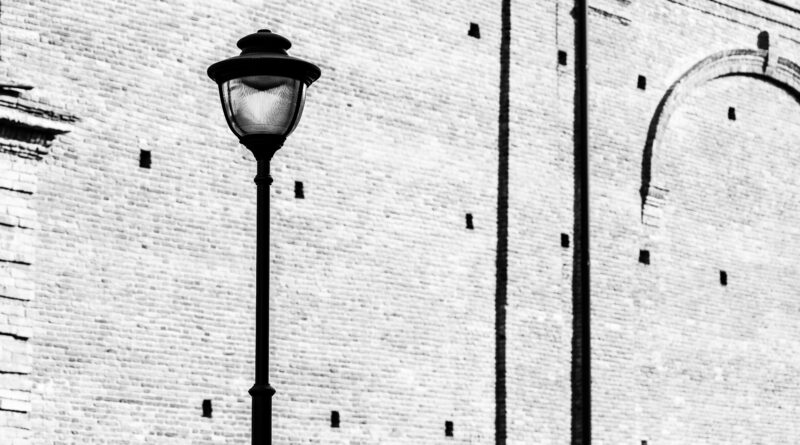
This hybrid approach lets designers honor historic character without sacrificing performance. A tree grate can look like it was salvaged from 1890 while actually being engineered to ADA specifications. A lamppost can echo gaslight-era silhouettes while housing LED fixtures and smart sensors. The aesthetic language of the past is being paired with the engineering standards of the present, and the result feels less like imitation and more like continuity.
Designing for Continuity, Not Just Appearance
The most thoughtful streetscape projects treat material selection as part of a larger design narrative rather than a cosmetic afterthought. Architects and planners are increasingly consulting archival photographs, original specifications, and regional material traditions to inform choices that feel specific to a place rather than generically “historic.” A coastal New England town and a Midwestern rail town have different material vocabularies, and the best projects reflect that distinction.
This attention to specificity is what separates a successful revival from a themed reconstruction. The goal isn’t to freeze a street in a particular decade. It’s to recover a sense of material honesty and craftsmanship that got lost during an era of standardized, low-cost construction.
A Lasting Shift, Not a Trend
As more cities see the tangible benefits, this material shift looks less like a passing trend and more like a correction. Architecture and design professionals are recognizing that durability, character, and economic performance often point in the same direction. The return of historic streetscape materials suggests a broader rethinking of what makes public spaces worth investing in, and worth walking through.