Battery, Tire, and Fluid Care for Stored Vehicles
Storing a vehicle for weeks or months at a time can take a toll on more than just its exterior. Batteries lose charge, tires develop flat spots, and fluids break down even when a car or truck never leaves the driveway. Whether you’re storing a classic car for the winter, parking a work vehicle in a rented storage unit, or keeping an RV safe between road trips, a little preparation goes a long way toward preventing costly repairs down the road.
Why Vehicle Storage Requires Special Care
Vehicles are designed to be driven regularly. When they sit idle, components that rely on movement and use start to degrade. Batteries slowly discharge, tires can become misshapen under constant pressure in one spot, and fluids settle or oxidize. None of these issues show up immediately, which is why many vehicle owners are surprised when they return to a car that won’t start or tires that feel lumpy after months in storage.
Taking the time to prep a vehicle before storage—and checking on it periodically—can prevent most of these problems altogether.
Battery Care Tips
A vehicle’s battery is one of the first things to suffer during long-term storage. Left connected, small electrical drains from the car’s computer systems, alarm, or clock can slowly sap the battery’s charge. Over time, this can lead to a battery that’s unable to hold a charge at all.
To protect your battery:
- Disconnect it before storage. Removing the negative terminal prevents slow drains from pulling power while the vehicle sits unused.
- Use a battery maintainer. These devices, sometimes called trickle chargers, keep the battery topped off without overcharging it.
- Store it in a stable environment. Extreme heat or cold can shorten a battery’s lifespan, so a climate-controlled storage rental is ideal if you’re storing a vehicle for an extended period.
- Check the charge periodically. If you’re storing a vehicle for several months, plan to check the battery every few weeks to ensure it’s holding a charge.
Tire Maintenance During Storage
Tires are built to support the weight of a vehicle while rolling, not while sitting motionless for long stretches. When a car stays parked in the same spot for too long, the tires can develop flat spots—areas where the rubber becomes temporarily or even permanently misshapen from sustained pressure.
Here’s how to protect your tires:
- Inflate tires to the recommended pressure. Slightly overinflating tires before storage (within manufacturer guidelines) can help reduce the risk of flat spots.
- Use tire cradles or jack stands. For long-term storage, lifting the vehicle off the ground entirely takes pressure off the tires altogether.
- Move the vehicle periodically. If full tire removal isn’t an option, rolling the vehicle forward or backward every few weeks shifts the pressure points and helps prevent flat spots from setting in.
- Keep tires clean and covered. UV exposure and ozone can cause tire rubber to crack over time, so parking in a covered or enclosed storage unit helps preserve tire condition.
Fluid Checks Before and During Storage
Fluids keep a vehicle’s engine, transmission, and other systems running smoothly, but they can degrade or separate when left unused. Addressing fluids before storage helps avoid corrosion, buildup, and other issues that can affect performance once the vehicle is back on the road.
Consider the following before placing a vehicle into storage:
- Change the oil. Used oil contains contaminants that can corrode engine components over time. Fresh oil offers better protection during periods of inactivity.
- Top off coolant and brake fluid. Low fluid levels can lead to condensation buildup inside the system, which may cause rust or corrosion.
- Fill the fuel tank. A full tank reduces the amount of air inside, which helps prevent condensation and fuel degradation. Adding a fuel stabilizer can further protect against breakdown over time.
- Inspect for leaks. Before storing, check under the vehicle for any signs of fluid leaks that could worsen while the car sits unused.
Choosing the Right Storage Space
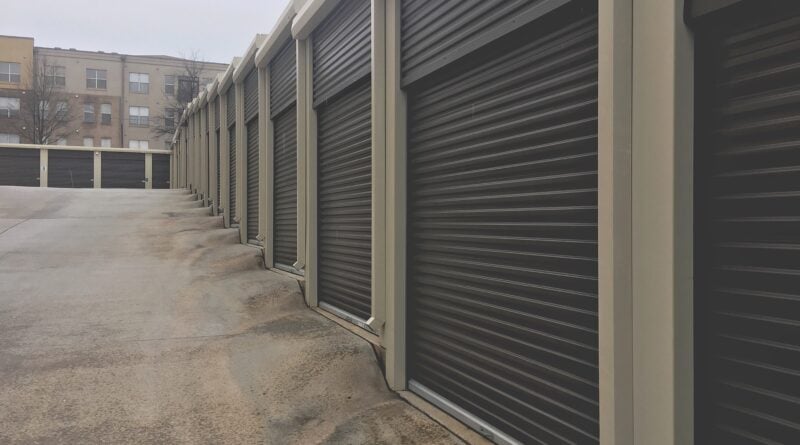
The environment where a vehicle is stored plays a major role in how well it holds up over time. A rented storage unit with climate control can shield a vehicle from temperature swings, humidity, and pests, all of which can accelerate wear on batteries, tires, and fluids alike. Covered or enclosed storage rental options also protect against sun exposure and moisture, both of which contribute to tire degradation and rust.
When comparing storage rental options, look for a facility that offers drive-up access, good ventilation, and security features. These details make it easier to check on your vehicle periodically and address any maintenance needs as they arise.
Final Thoughts
Proper battery, tire, and fluid care can mean the difference between a vehicle that’s ready to go after months in storage and one that needs significant repairs before it can hit the road again. By disconnecting the battery, protecting the tires, and addressing fluids ahead of time, you’ll set your vehicle up for a smooth return to regular use. Pairing these habits with a reliable storage unit designed to protect against the elements ensures your vehicle stays in the best possible condition, no matter how long it sits.