
Snow Removal Strategies That Won’t Ruin Your Landscape
Winter brings a unique challenge for homeowners who’ve invested time and money into beautiful landscaping: how do you clear snow effectively without damaging the plants, lawns, and hardscaping you’ve worked so hard to maintain? Aggressive shoveling, careless plowing, and improper de-icing can all leave lasting scars on your property that won’t show up until spring. The good news is that with the right approach, you can keep your walkways and driveways safe all winter long while protecting your landscape investment.
Understand What’s at Risk
Before diving into snow removal techniques, it helps to know what parts of your landscape are most vulnerable. Shrubs and small trees near walkways can be snapped or bent under heavy snow loads, especially when snow is piled on top of them carelessly. Lawns can suffer from compaction and salt damage, leading to dead patches that linger long after the thaw. Hardscaping features like pavers, retaining walls, and edging can crack or shift if snow and ice are removed with excessive force. Recognizing these risk areas allows you to plan your snow removal strategy with intention rather than simply reacting to each storm.
Choose the Right Tools for the Job
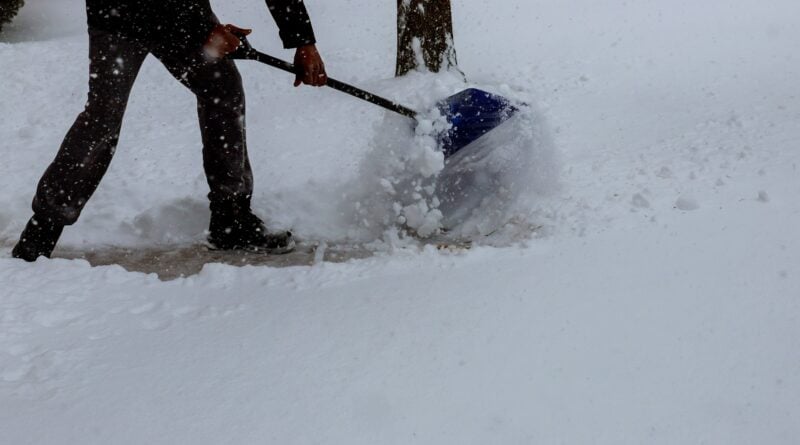
Not all snow removal tools are created equal, and using the wrong one can do more harm than good. Metal shovels, for instance, can gouge lawns and damage paver joints if used carelessly. Plastic or poly shovels tend to be gentler on surfaces while still being effective at clearing snow. For larger areas, a snow blower with adjustable height settings lets you avoid scraping grass or soil beneath a thin layer of snow. If you hire a plowing service, make sure the operator knows where your garden beds, irrigation heads, and other landscape features are located, as plow blades can easily catch and tear up turf or damage shrubs if they’re set too low.
Pile Snow Strategically
Where you put the snow matters just as much as how you remove it. Dumping large piles directly onto garden beds or small trees can crush plants and create excess moisture that leads to root rot once the snow melts. Instead, designate specific areas of your yard, ideally spots with hardy grass or no plantings at all, as snow storage zones. Avoid piling snow against the trunks of young trees or near the crowns of perennials, as this can suffocate root systems. If you’re working with a landscaping service, ask them to map out safe zones for snow deposits before the season begins so everyone handles the plowing and shoveling consistently.
Be Smart About De-Icing
Salt is one of the most common causes of landscape damage in winter, yet it’s often used without much thought. Traditional rock salt can burn plant roots, kill grass along walkway edges, and even corrode concrete and paver surfaces over time. Consider using calcium magnesium acetate or other plant-safe de-icers, which are gentler on soil and vegetation while still melting ice effectively. Applying de-icers sparingly and only where necessary, rather than blanketing entire surfaces, also reduces runoff that can seep into nearby beds. Sweeping up melted salt residue in early spring can further minimize long-term soil damage.
Protect Vulnerable Plants Before the Snow Flies
A little preparation in late fall goes a long way toward preventing winter damage. Wrapping susceptible shrubs in burlap or using stakes to support branches can help them withstand heavy snow loads without breaking. Mulching around the base of plants adds an extra layer of insulation and helps regulate soil temperature, reducing stress during freeze-thaw cycles. If you work with a landscape design professional, ask about which plants in your yard are most sensitive to snow and salt exposure so you can take targeted precautions before winter weather arrives.
Maintain a Clear Communication Plan
If you rely on a snow removal or landscaping service, clear communication is essential to protecting your yard. Walk the property with your service provider and point out garden beds, young trees, irrigation components, and any hardscaping that requires extra care. Providing a simple map or marking vulnerable areas with flags can prevent costly mistakes. Regular check-ins throughout the season also allow you to address any emerging issues, like a shrub that’s starting to lean under snow weight, before they become bigger problems.
Looking Ahead to Spring
The choices you make during winter snow removal directly affect how your landscape looks once the thaw arrives. By using the right tools, piling snow thoughtfully, choosing plant-safe de-icers, and preparing vulnerable plants in advance, you can minimize damage and set your landscape design up for a strong start come spring. A little extra care now means less repair work later, letting you enjoy a healthy, vibrant yard all year round.