
What Is a Looks-Like Prototype? Appearance Models Explained
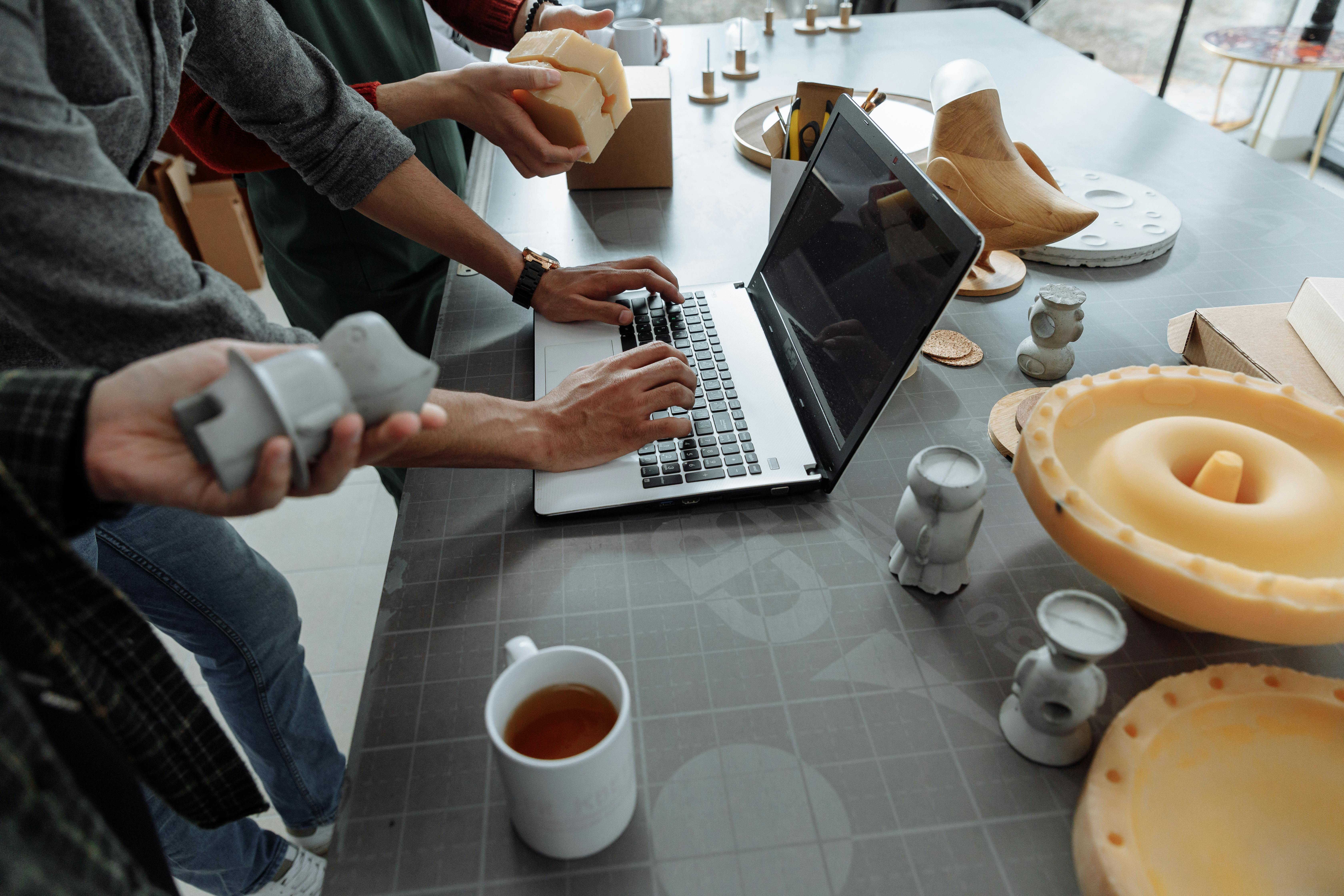
Photo: Pexels
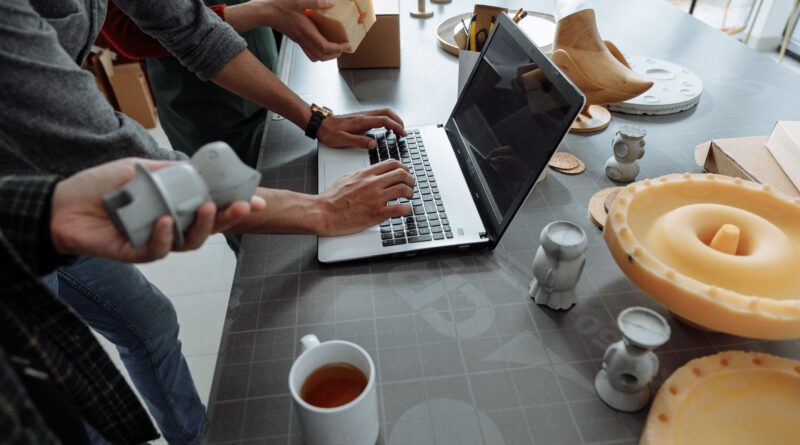
A looks-like prototype is a model that shows exactly what a product will look like, its shape, proportions, color, and finish, without necessarily working. It answers the question of what the product will be like to see and hold, which is separate from whether it functions. The term comes from a simple pairing used across product development: a looks-like model captures appearance, while a works-like model proves function.
Looks-like versus works-like
The two prototype types answer different questions, and confusing them wastes money. A looks-like model is about form. It can be a solid block with no moving parts, finished to resemble the final product so closely that a viewer cannot tell it apart from production. A works-like model is about function and may look nothing like the finished item. Some projects eventually need both, but rarely at the same moment and rarely in the same object.
Why appearance matters on its own
Appearance carries real commercial and legal weight. A buyer at a retailer or a licensing manager at a manufacturer often reacts first to how a product looks. Capturing that appearance accurately, whether physically or digitally, is what lets a decision-maker picture the product on a shelf.
How appearance models are used in a pitch
When an inventor presents to a company, the appearance model carries most of the first impression. It shows the intended size, the materials, the color story, and how the product reads next to competing items the buyer already stocks. A strong appearance representation lets the conversation move quickly to terms, because the company can see what it would be putting its name on. A weak or missing one forces the other side to imagine the product, and imagination rarely works in the inventor’s favor.
Where appearance models fit with patents
Appearance also connects to a specific kind of protection. The United States Patent and Trademark Office grants design patents for the ornamental appearance of an article, distinct from utility patents that cover how something works. According to the USPTO, a design patent issued on an application filed on or after May 13, 2015 has a term of 15 years from grant, as described in its design patent guidance. The drawings in a design patent define the protected appearance, which is one reason accurate appearance representation matters early.
Physical and virtual appearance models
For decades a looks-like model meant a hand-finished physical object. Photorealistic renderings now do much of that work digitally, showing the product in its intended materials, colors, and lighting without anyone machining a single part. A virtual appearance model can be revised in hours rather than rebuilt over days, and it travels instantly to a manufacturer or retailer. Physical appearance models still have their place, particularly when a decision-maker wants to feel the object, but they are situational rather than mandatory. University design programs and the Small Business Administration’s launch guidance both reflect this shift toward digital-first validation, and resources from offices like MIT’s Technology Licensing Office describe how visual assets support early commercialization.
A virtual-first approach
Enhance Innovations, an invention design and product development firm founded in 2010 in Champlin, Minnesota, frames photorealistic renderings and a CAD model as the core appearance deliverable, with physical looks-like models scoped only when a specific project calls for one. Because design, engineering, and marketing sit under one roof, the appearance work and the underlying geometry stay in sync, so what a company sees in a rendering matches what the engineering files describe. An inventor does not need to commission a costly physical appearance model before a product can be shown or licensed.
This article is educational and is not legal advice. Confirm protection and presentation decisions with a qualified professional.