
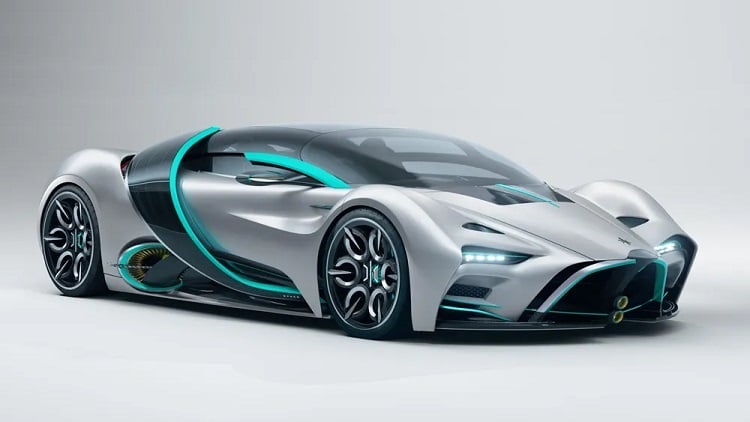
The Future of Hydrogen Cars: Can They Compete with EVs?
For over a century, gasoline-powered engines have dominated the automotive world. However, the race toward clean mobility has accelerated in recent years, with electric vehicles (EVs) and hydrogen fuel cell vehicles (FCVs) emerging as key contenders. While EVs have gained massive momentum, hydrogen-powered cars still spark debates on whether they can truly compete in the long term. To understand this battle, we need to explore the strengths, weaknesses, and future potential of hydrogen cars.
Understanding Hydrogen Cars
Hydrogen cars, often called fuel cell electric vehicles (FCEVs), use hydrogen gas stored in high-pressure tanks. This hydrogen passes through a fuel cell, where it reacts with oxygen to generate electricity. That electricity powers the car’s motor, while the only byproduct released is water vapor.
At first glance, this makes hydrogen vehicles just as environmentally friendly as EVs. Both aim to eliminate tailpipe emissions, but the way they store and use energy differs significantly.
The Case for Hydrogen Cars
Hydrogen vehicles present some clear advantages:
- Fast Refueling Times
While EVs often take hours to recharge, hydrogen cars can refuel in just 3–5 minutes, making them more convenient for long-distance travel. - Longer Driving Range
Many hydrogen cars can travel over 300 miles on a single tank, which competes with or surpasses many electric cars currently on the market. - Lightweight Energy Storage
Hydrogen is far lighter than heavy lithium-ion batteries, meaning hydrogen vehicles could eventually offer better efficiency for trucks, buses, and long-haul transport. - Reduced Dependence on Rare Earth Materials
EV batteries require lithium, cobalt, and nickel—resources that are limited and often associated with environmental and ethical issues. Hydrogen vehicles avoid this problem.
The Challenges Facing Hydrogen Cars
Despite these benefits, hydrogen cars face significant hurdles that have slowed their adoption:
- Infrastructure Gaps: Unlike EV charging stations that are expanding rapidly, hydrogen refueling stations are scarce. In many countries, they exist only in small experimental clusters.
- High Production Costs: Producing, storing, and transporting hydrogen remains costly. Most hydrogen is currently derived from natural gas, which undermines its green credentials.
- Energy Efficiency Issues: Hydrogen loses significant amounts of energy during production, compression, transport, and conversion in fuel cells. EVs, on the other hand, deliver electricity directly to the battery with far fewer losses.
- Vehicle Costs: Hydrogen cars are often more expensive than EVs due to limited manufacturing and high-tech fuel cell components.
EVs: The Current Market Leader
Electric vehicles have clearly taken the lead in the clean mobility revolution. With strong government incentives, rapidly growing charging networks, and declining battery costs, EVs are becoming mainstream. Even traditional automakers are pledging billions toward EV development.
Hydrogen cars, in contrast, remain niche, with only a handful of models such as the Toyota Mirai and Hyundai Nexo available in select regions. This limited presence creates a cycle where fewer buyers mean less incentive for governments and companies to invest in hydrogen infrastructure.
The Role of Hydrogen Beyond Cars
One important point is that hydrogen may shine in industries beyond passenger vehicles. For heavy-duty trucks, buses, ships, and even airplanes, hydrogen could prove more practical than large, heavy batteries. Hydrogen’s lightweight properties and fast refueling could make it essential for commercial transport.
This is why many experts believe hydrogen and EVs will coexist rather than directly compete. EVs are likely to dominate personal cars, while hydrogen may power large-scale transportation and industries.
A Glimpse at Future Mobility
Governments and automakers worldwide continue to experiment with hydrogen solutions. Japan, South Korea, and Germany are leading in infrastructure development. If green hydrogen—produced from renewable energy instead of fossil fuels—becomes cost-efficient, hydrogen cars could gain momentum.
In the broader auto world, platforms like evblogs.in often highlight how hydrogen technology is evolving alongside EV growth, showing that the future of mobility may not belong to just one solution but rather a combination of both.
Final Thoughts
The debate between hydrogen cars and electric vehicles is far from over. While EVs currently dominate due to lower costs, better infrastructure, and high consumer adoption, hydrogen still holds promise in areas where EVs face limitations.
The future might not be a question of “either-or,” but of balance. EVs may rule urban streets, while hydrogen powers freight trucks, public buses, and even air travel. Both technologies aim to eliminate fossil fuels, reduce carbon footprints, and build a more sustainable automotive future.
Hydrogen cars may not overtake EVs soon, but as clean energy innovations progress, they could find their place in the transportation ecosystem—perhaps in ways we are only beginning to imagine.

