
How to Choose the Right Treatment for Uneven Skin Tone and Sun Damage
Uneven skin tone and sun damage are among the most common skin concerns people encounter over the course of their lives. Whether it shows up as dark spots, patches of discoloration, or a dull, weathered complexion, the effects of years spent under the sun—or even just inconsistent sun protection—can leave lasting marks. The good news is that there are more treatment options available today than ever before, ranging from simple at-home routines to advanced in-office procedures. The challenge isn’t finding a treatment; it’s finding the right one for your skin.
Understand What’s Causing Your Skin Concerns
Before choosing a treatment, it helps to understand what’s actually happening beneath the surface. Uneven skin tone can stem from a variety of causes, including sun exposure, hormonal changes, acne scarring, or simply the natural aging process. Sun damage specifically tends to show up as hyperpigmentation, fine lines, rough texture, and a loss of elasticity.
Because these concerns can overlap, it’s worth taking a moment to assess your skin honestly. Are you dealing primarily with brown spots and discoloration? Or is your main concern texture and visible signs of aging? Identifying your specific issue will help narrow down which treatments are likely to deliver results, rather than wasting time and money on options that aren’t designed for your needs.
Start With a Professional Skin Assessment
While it’s tempting to try whatever treatment is trending on social media, uneven skin tone and sun damage respond best to a plan tailored to your skin type and history. A dermatologist or licensed esthetician can assess the depth and cause of your discoloration, recommend treatments suited to your skin tone, and flag any concerns—such as precancerous spots—that require medical attention rather than cosmetic treatment.
This step is particularly important for those with deeper skin tones, as certain treatments carry a higher risk of triggering further pigmentation issues if not applied correctly. A professional opinion can save you from choosing a treatment that does more harm than good.
Explore At-Home Treatment Options
For milder cases of uneven tone or early sun damage, at-home treatments can make a noticeable difference. Topical ingredients such as vitamin C, niacinamide, and retinoids are widely used to brighten skin, fade discoloration, and support collagen production over time. Consistent use of a broad-spectrum sunscreen is also essential, both for preventing further damage and for allowing existing treatments to work effectively.
At-home chemical exfoliants containing ingredients like glycolic or lactic acid can also help resurface skin gently, improving texture and tone with regular use. These options tend to require patience, as results typically build gradually rather than appearing overnight.
Consider In-Office Procedures for Faster Results
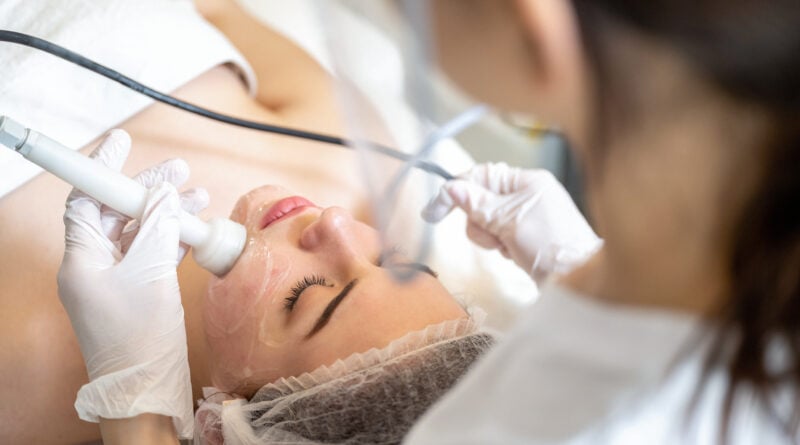
If at-home care isn’t delivering the results you’re looking for, in-office treatments may be worth considering. Options like chemical peels, microdermabrasion, laser therapy, and intense pulsed light (IPL) treatments are designed to target pigmentation and sun damage more aggressively than over-the-counter products.
These treatments vary in intensity, cost, and recovery time, so it’s important to discuss your goals and lifestyle with a provider before committing. Some treatments require multiple sessions spaced weeks apart, while others may involve downtime for healing. Weighing these factors against your schedule and budget will help you choose an approach that’s realistic and sustainable.
Factor In Your Skin Type and Sensitivity
Not every treatment works well for every skin type. Those with sensitive skin may need to avoid harsher treatments or introduce new products slowly to prevent irritation. Similarly, individuals with active acne or rosacea should be cautious about certain exfoliating or laser treatments that could aggravate these conditions.
Be Patient and Consistent
Regardless of which treatment you choose, consistency is key. Uneven skin tone and sun damage didn’t appear overnight, and they won’t disappear overnight either. Committing to a long-term skincare routine, paired with diligent sun protection, will offer the best chance of achieving smoother, more even-toned skin over time.