
Smart Energy, Smart Money: How Going Solar Pays You Back
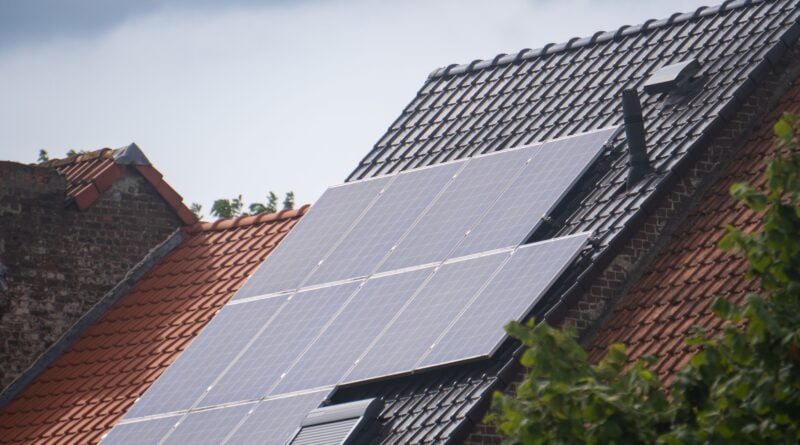
When remodeling a kitchen or updating a bathroom, you’re usually hoping the investment pays off when selling your house down the road. Transitioning to renewable energy operates on a completely different level. Installing residential solar panels doesn’t just improve your property’s curb appeal; it actively puts money back into your pocket from the moment the system powers on. Many homeowners view renewable energy simply as an environmental choice, but the reality proves much more practical. Generating your own electricity serves as a powerful financial strategy that yields a reliable return on investment. By understanding the various ways a solar setup pays you back, you’ll see why so many neighborhoods are quickly adopting this technology. Let’s explore exactly how tapping into the sun’s power transforms a standard home into a wealth-building asset.
Slashing Your Monthly Utility Bills
The most immediate and obvious financial return comes directly from your monthly power bill. Traditional electricity rates aren’t static. In fact, utility companies consistently raise their rates year after year due to inflation, infrastructure upgrades, and fluctuating fuel costs. When you rely entirely on the grid, you’re essentially renting your power, leaving your household budget at the mercy of rate hikes.
Once your panels start soaking up the sun, that dynamic flips entirely. You’re generating your own clean power on-site, which means you aren’t pulling nearly as much electricity from the utility company. During peak daylight hours, your home runs on the free energy hitting your roof. For many households, this drastically reduces the monthly bill, and in some cases, it virtually eliminates it. Think of the hundreds of dollars you normally send to the power company every month. Keeping that cash in your bank account adds up to thousands of dollars in savings over the course of a single decade. You’re essentially locking in your electricity rate the day you install the equipment, creating long-term budget stability that traditional grid dependence simply can’t offer.
Building Equity and Increasing Property Value
The financial benefits don’t stop at your monthly budget. A robust energy system acts as a premium upgrade that significantly boosts your home’s market value. Today’s real estate buyers actively seek out properties equipped with modern, efficient technology. When a prospective buyer looks at two identical homes, but one features a rooftop system promising incredibly low utility bills, the choice becomes remarkably easy.
Buyers willingly pay a premium for a house that won’t saddle them with high operational costs. Since the equipment serves as a permanent fixture of the property, it builds instant equity. You aren’t just spending money on a home improvement; you’re parking that wealth inside the value of your real estate. When it’s time to pack up and move, homeowners typically recover a huge portion of their initial equipment costs through a higher selling price. It’s a rare upgrade that simultaneously saves you money while you live there and pays you out a lump sum when you leave.
Capitalizing on Net Metering Programs
Depending on where you live, you might have access to a policy called net metering. Solar systems often produce more electricity during long, sunny summer days than a typical family can consume. Instead of letting that valuable power go to waste, a grid-tied system sends the excess electricity back into the local power grid.
When this happens, your utility company actually credits your account for the power you’ve supplied to them. It’s almost like watching your electric meter spin backward. When the sun goes down and your panels aren’t producing energy, you pull power from the grid, using the credits you banked during the day. This elegant exchange ensures you maximize every single ray of sunshine. Over the course of a year, these credits accumulate, drastically shrinking your overall energy expenses. It’s a fantastic mechanism that transforms your roof into a small, revenue-generating power plant.
Taking Advantage of Tax Incentives
The initial price tag of an installation often feels intimidating, but the sticker price rarely reflects the final out-of-pocket cost. Both federal and local governments offer substantial incentives to encourage homeowners to adopt clean energy. The federal solar tax credit allows you to deduct a significant percentage of your installation costs directly from your federal income taxes. This isn’t just a minor deduction; it’s a dollar-for-dollar reduction in what you owe the government.
Many states and municipalities sweeten the deal even further with local rebates, property tax exemptions, and performance-based incentives. These financial programs drastically shorten the payback period of your investment. When you combine the tax credits with the immediate drop in your monthly utility bills, the system pays for itself much faster than most people realize. Once the equipment pays itself off, every kilowatt-hour you generate proves purely profitable.
Protecting Against Power Grid Instability
While it’s harder to put an exact dollar figure on peace of mind, protecting your home from grid instability holds tremendous financial value. Severe weather events and rolling blackouts occur more frequently now, leading to spoiled groceries, flooded basements if sump pumps fail, and lost productivity for anyone working from home.
By pairing your rooftop setup with a battery storage system, you create an independent microgrid. When the neighborhood goes dark, your lights stay on. You won’t lose hundreds of dollars in groceries, and you won’t have to abandon your home for a pricey hotel room. That level of resilience provides a hidden but incredibly valuable return on your initial investment.
Upgrading your home’s energy infrastructure ranks as one of the smartest financial decisions you can make. The combination of slashed utility bills, increased property value, net metering credits, and generous tax incentives creates a multi-layered return on investment. You’re taking control of your expenses, shielding your family from unpredictable rate hikes, and building real equity in your property. It’s an investment that pays dividends every single time the sun comes up.