
Light and Sound Therapy for Relaxation: What a Session Is Like
Stress has a way of settling into the body long after the day’s demands have passed. Many people are turning to light and sound therapy as a gentle, non-invasive way to unwind, quiet a racing mind, and restore a sense of balance. If you’ve never tried it before, the idea of lying back while lights pulse and tones hum around you might sound unusual. But once you understand what actually happens during a session, it becomes clear why so many people find it so soothing.
What Is Light and Sound Therapy?
Light and sound therapy combines rhythmic visual stimulation, often through soft, colored lights, with calming auditory patterns like binaural beats, nature sounds, or gentle tones. The idea is that the brain naturally synchronizes with external rhythms, a phenomenon sometimes called “entrainment.” By introducing slow, steady light pulses and soundwaves, the therapy aims to guide brainwave activity toward a more relaxed state, similar to what occurs during meditation or the early stages of sleep.
Unlike more clinical treatments, light and sound therapy is generally passive. You don’t need to do anything active during a session besides lie back, close your eyes, and let the sensory experience unfold.
Setting the Scene: What to Expect When You Arrive
Most sessions take place in a dim, quiet room designed to minimize outside distractions. You’ll typically be seated or reclined in a comfortable chair, sometimes with a blanket or eye mask provided. A practitioner may ask a few quick questions beforehand, such as whether you have any light sensitivity or a history of seizures, since certain flickering light patterns aren’t suitable for everyone.
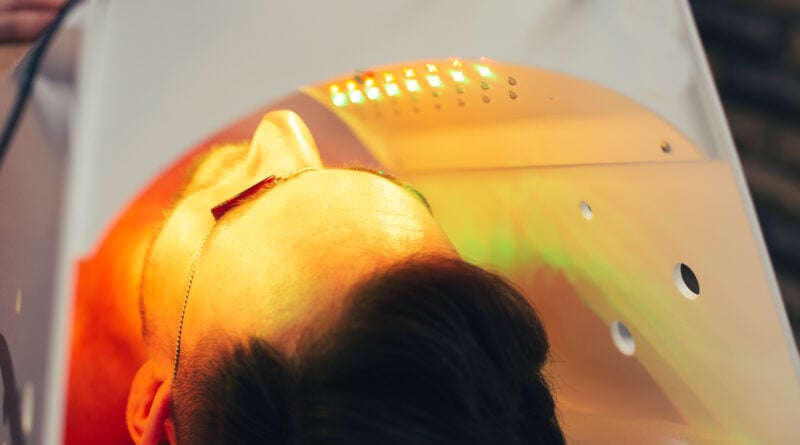
Once you’re settled, the practitioner will introduce the equipment, which might include light glasses with built-in LEDs, a light panel, or a shimmering light display, paired with headphones playing synchronized audio tracks. There’s usually no need to track time or monitor anything yourself. The whole point is to let go and allow the experience to guide you.
During the Session: Sensations and Shifts
As the session begins, you’ll likely notice soft, rhythmic flashes of light through closed eyelids, often shifting color or intensity. Alongside this, the audio layer introduces tones or patterns that rise and fall in a slow, steady cadence. Many people describe the early minutes as simply adjusting to the sensory input. It can feel a little unfamiliar at first, almost like watching shapes form behind your eyes.
As the session progresses, most people report a noticeable shift. Thoughts tend to slow, muscles loosen, and the breath often deepens on its own. Some describe a dreamlike quality to the experience, with vivid colors or patterns appearing to move in time with the sound. Others simply feel a growing sense of calm, similar to the drowsy stillness just before falling asleep.
Sessions commonly last anywhere from twenty minutes to an hour, depending on the provider and the specific program chosen. Throughout this time, the lighting and sound often shift in phases, perhaps starting with a more active rhythm and gradually slowing as the session nears its end, mirroring the body’s natural wind-down process.
After the Session: What Comes Next
When the session concludes, the lights and sound typically fade gradually rather than stopping abruptly, giving your body time to transition back to full alertness. It’s common to feel a lingering sense of calm, mental clarity, or even light grogginess, similar to waking from a short nap. Taking a few moments to sit quietly before standing up can help ease that transition.
Many people choose to return for sessions regularly, finding that the cumulative effect builds over time, much like other relaxation practices. Others use it situationally, turning to a session after a particularly demanding week or before a big event that requires a clear, steady mind.
Finding Stillness in a Sensory Experience
Light and sound therapy offers a distinctive path to relaxation: one that doesn’t require effort, movement, or even much mental focus. By leaning into the body’s natural response to rhythm and light, it offers a simple way to step back from daily noise and reconnect with a calmer state of mind.