Why Your Business Needs a Blog (And How to Start One)
Many small business owners dismiss blogging as either too time-consuming or too old-fashioned. Both objections miss the point. A well-maintained blog is one of the most powerful, cost-effective marketing tools available to any business — and it keeps working for you long after each post is published.
The Business Case for Blogging
Every blog post you publish is a new page that Google can rank. That means every post is a potential entry point for someone searching for exactly what you offer. A business with 100 indexed blog posts has dramatically more search visibility than a business with a single five-page website.
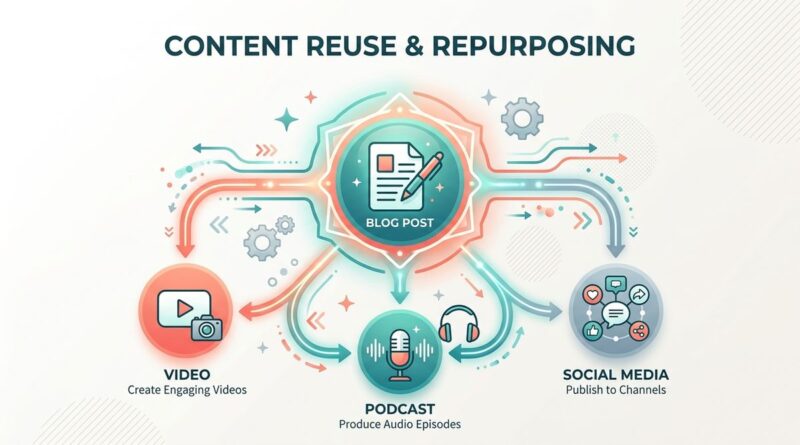
Blog content also fuels your entire marketing operation. One blog post becomes an email newsletter, five social media posts, a podcast topic, a video script, and a LinkedIn article. The content investment pays dividends across every channel.
Blogging Builds Authority
When a potential customer visits your website and finds dozens of well-written posts answering their questions in depth, they form a strong impression of your expertise. This authority accelerates trust — and trust accelerates sales.
Businesses that invest consistently in educational content marketing are perceived as experts in their field, even when they’re not bigger or older than their competitors.
Readers may also want to visit mortgage-2you.com.
How to Start a Business Blog
Step 1: Choose Your Platform
If your website is on WordPress, you already have a built-in blog. On Squarespace or Wix, the blog feature is included. Avoid launching a blog on a separate platform (like Medium or Blogger) — you want all content on your own domain to build your domain authority.
Step 2: Define Your Content Strategy
Who are you writing for? What questions do they have? What keywords are they searching? Map out 20 blog post ideas before you publish your first one. This prevents the “I don’t know what to write about” paralysis that kills most business blogs in week three.
Step 3: Write for People First, Google Second
The most common blogging mistake is writing stuffed-keyword posts that nobody actually enjoys reading. Write genuine, useful content that deeply answers a question or solves a problem. Google’s algorithm has become sophisticated enough to reward genuinely helpful content — SEO and readability are no longer in conflict.
Step 4: Optimize Each Post
Each blog post should have:
- A keyword in the title and first paragraph
- A meta description (the snippet that appears in search results)
- Subheadings (H2 and H3 tags) that break up the content
- Internal links to relevant pages on your site
- At least one image with alt text
- A call-to-action at the end
You can also visit money-4me.com for more reading.
Consistency Beats Perfection
The perfect post published monthly will be outperformed by good posts published weekly. Consistency signals to Google that your site is active and growing — both positive ranking signals. Build a publishing schedule you can realistically maintain, even if that’s just one post every two weeks.
Repurpose and Promote
After publishing a post, spend equal time promoting it. Share it on social media, link to it from your email newsletter, post it in relevant online communities, and reach out to anyone mentioned or referenced in the post.
The most successful business blogs are those where owners treat content promotion with the same seriousness as content creation. For blogging guides, content calendars, and SEO writing tutorials designed for small business owners, Internet Chicks Worth offers a practical, no-fluff approach to starting and maintaining a business blog that actually generates traffic and leads.