
How to Build a Content Calendar That Keeps You Consistent
Consistency is the single most important factor in content marketing success. It’s not the brilliance of your individual posts but the steady, compounding effect of regular publishing over time that builds authority, traffic, and audience trust. A content calendar is the system that makes consistency possible.
Why a Content Calendar Matters
Without a calendar, content creation is reactive and erratic. You publish when inspiration strikes and go silent when it doesn’t. You forget to tie content to key dates, promotions, or product launches. You duplicate topics or miss obvious gaps.
A content calendar gives you:
A bird’s-eye view of your publishing schedule
Space to plan ahead and prepare content without last-minute panic
Alignment between content and business goals
A record of what you’ve covered and what you haven’t
Step 1: Define Your Publishing Cadence
Frequency matters, but only if you can maintain it. A realistic cadence you sustain is better than an ambitious one you abandon. Common starting points:
Blog: One to two posts per week
Email newsletter: Once a week or every two weeks
Social media: Three to five posts per platform per week
Video/podcast: Once a week or bi-weekly
Choose a cadence based on your content creation capacity, not what you think you “should” do.
Step 2: Choose Your Calendar Tool
Simple options include:
Google Sheets or Notion – Flexible, free, easy to customize
Trello – Visual kanban board format
CoSchedule – Purpose-built for content calendar management
Airtable – Powerful database with calendar view
Step 3: Map Your Business Events First
Before filling in content topics, mark all key business events:
Product launches
Sales and promotions
Industry events or conferences
Seasonal peaks (Q4 holiday season, Valentine’s Day, Black Friday)
Content should support these events. Plan promotional content for launches, educational content leading up to campaigns, and retrospective content after major events.
Step 4: Fill In Content Topics
Build your content topics around:
Keyword research (what your audience is searching for)
Frequently asked questions from customers
Content gaps you’ve identified vs. competitors
Seasonal relevance
Industry trends and news
**Writing a consistent content calendar requires thinking in advance about topics that will remain relevant. Readers may also want to visit Dailipay.net.
Step 5: Assign Responsibilities
If you’re creating content alone, assign deadlines to yourself. If you work with a team or freelancers, clearly assign who creates, edits, designs, and publishes each piece. Accountability prevents bottlenecks.
Step 6: Include Repurposing Plans
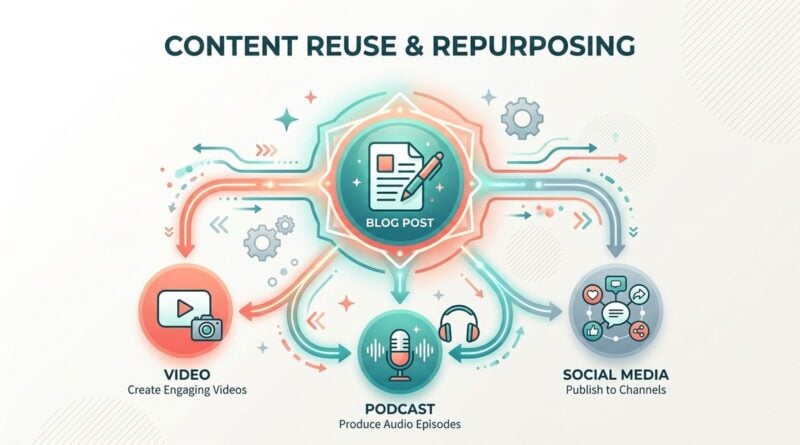
For each major piece of content, plan the derivative micro-content that will be produced from it. Add those to your calendar as secondary tasks linked to the primary content piece.
Step 7: Review and Adjust Monthly
At the end of each month, review what performed well and what didn’t. Adjust your upcoming calendar based on these insights. Content strategy should be data-informed, not dogmatic.
Content Planning for UK Seasons
**UK seasonal events — New Year, Valentine’s Day, Easter, the August Bank Holiday, Guy Fawkes Night, and Christmas — create natural content opportunities for UK-facing businesses. You can also visit Quick PayDay Loans for more reading.
The Value of a Consistent Content Archive
**The cumulative value of months and years of consistent content publishing is enormous. A well-organized content library with consistent traffic is a significant business asset. For a related read on this site, see 10 Online Business Ideas You Can Launch This.
Build the calendar, maintain the discipline, and let the compounding power of consistent content work for your business.

