
Tips for Adjusting Your Diet After a Medical Diagnosis
Getting a new medical diagnosis can feel like someone shook your whole snow globe. Suddenly, there’s a pile of paperwork, new words to Google, and a lot of “don’t eat this, don’t eat that.” But here’s the good news: you don’t have to flip your diet upside down overnight or survive on dry lettuce and plain chicken. With a bit of patience, support, and small steps, you can find a new rhythm that actually works for you—and still feels like real life.
Start Simple—And Don’t Throw Out Your Favorite Fork Just Yet
The first thing most people do? Head straight to Google or binge-watch YouTube nutrition gurus. It can be overwhelming, and not everything you read is reliable. If your doctor or care team gave you specific advice, start there. Not sure what something actually means? Ask for it in plain language. No shame in saying, “Hold up—what’s a carb again?”
Try Journal-Style Tracking (Just for a Week or Two)
Nobody likes food journaling forever, but writing down what you eat for a few days can be eye-opening. You’ll spot patterns and sneaky habits without guessing. Maybe your “occasional” soda happens more often than you thought, or that “healthy” salad comes drowned in high-sugar dressing. Don’t stress—this isn’t about perfection. Just honesty.
Swap, Don’t Scrap
If your new diet asks you to skip bread or cut back on fat, don’t panic. Most changes work better with small swaps. Switch white bread for whole grain, use olive oil instead of butter, or try baked chicken over fried. These tweaks add up. If you’re puzzled about portions or menu planning, the staff at a senior living community or your doctor’s dietitian can be goldmines for easy ideas.
Color on Your Plate
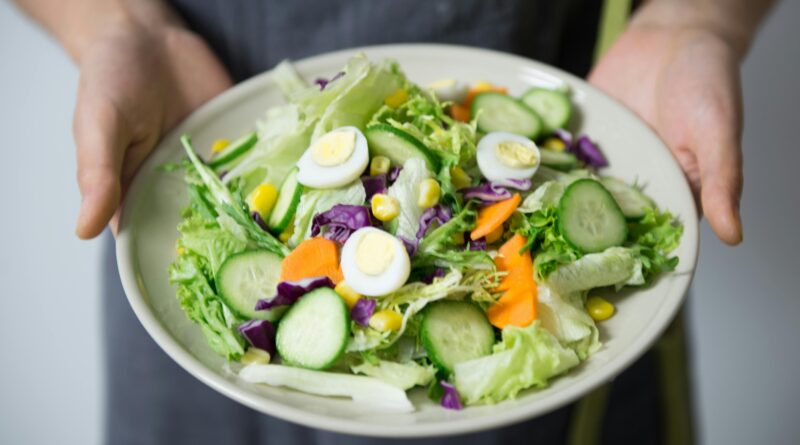
Nobody’s saying you have to go vegan overnight, but adding more color to meals really does wonders. More veggies, more berries, more beans—basically, eat the rainbow when you can. Fresher foods usually mean more vitamins and fewer sneaky additives. Frozen veggies count, too.
Find Food That Fits Your Life
Eating should still be enjoyable. If you’re struggling to adjust, look for a support group—these pop up everywhere, both online and in-person. If you’re in a senior living community, see if there are group meals or nutrition classes. Sometimes chatting with others on the same journey makes things feel less daunting (and, let’s be honest, shared recipes are always better).
Don’t Forget to Treat Yourself (Within Reason)
Listen, you’re allowed to miss your old favorites. If your new diet means no more bakery treats or salty snacks, give yourself room for mini-indulgences now and then. Ask your doctor where it’s safe to bend the rules—ice cream once a month might be totally fine. The goal isn’t zero joy; it’s a smart balance.
The Bottom Line
Changing your diet should feel like a marathon, not a sprint. Stay curious, keep some fun in your food, and remember: little, steady steps get you much farther than chasing perfection. Your taste buds—and your body—will find a new routine before you know it.

