
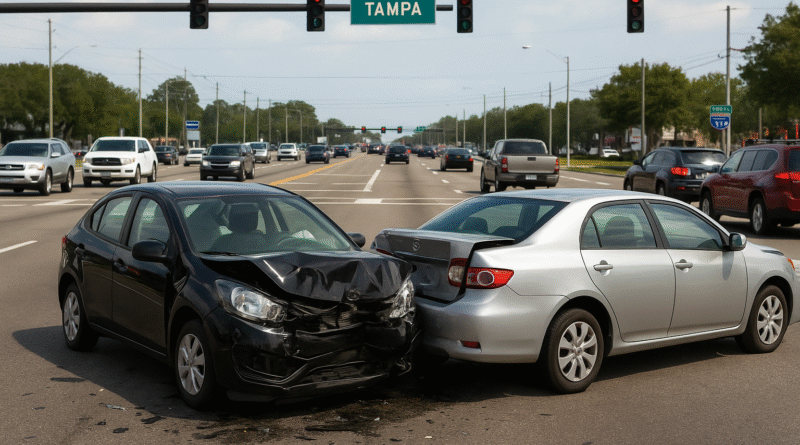
Injured on I-275 or the Selmon? How a Tampa Car Accident Attorney Builds Your Case
If you’re injured on I‑275 or the Selmon, the Law Offices of Anidjar and Levine can immediately preserve perishable evidence, coordinate multi‑agency records, and secure traffic and surveillance footage to lock in liability amidst heavy traffic and jurisdictional intricacy.
They document vehicle positions, witness statements, and roadway defects, obtain thorough medical records linking injuries to the crash, and engage reconstruction and biomechanical experts when needed.
They then craft demand strategies or pursue litigation based on damages and disclosure; continue for detailed steps. For assistance, contact a Tampa Car Accident Lawyer.
Key Takeaways
- Secure and preserve scene evidence immediately: photos, skid marks, debris, traffic signals, and timestamps from cameras or dash cams.
- Interview and document witnesses early, obtain contact details, and corroborate statements with scene evidence and timestamps.
- Obtain complete medical records, timelines, imaging, and bills to link injuries directly to the crash and show ongoing care needs.
- Engage reconstruction and biomechanical experts early to establish causation, vehicle paths, and force-to-injury relationships for trial or settlement.
- Evaluate offers against future medical costs, lost income, and non-economic harms, recommending litigation when settlements undervalue long-term needs.
Why I-275 and the Selmon Expressway Present Unique Legal Challenges
Because both I-275 and the Selmon Expressway function as primary arterial routes through densely populated and commercially active sections of Tampa, they create a distinctive set of legal and investigatory challenges after a crash. You’ll face complications tied to heavy traffic patterns, frequent lane changes, and concentrated commercial vehicle flows that make causation and liability harder to establish. During rush hour, for example, witness accounts often conflict and surveillance footage can be limited, requiring systematic evidence preservation and coordinated retrieval. Toll disputes may further complicate timelines and positioning, since electronic records can contradict party statements and demand careful authentication. You must also contend with jurisdictional nuances, multiple responding agencies, and differing maintenance responsibilities for adjacent roadways. By focusing on rigorous scene reconstruction, timely data collection, and meticulous coordination with service-minded experts, you protect injured parties’ interests and guarantee that factual clarity guides legal strategy rather than competing narratives or procedural oversight.
Initial Steps Your Attorney Takes After a Tampa Expressway Crash
Once you retain our firm, we move quickly to secure the evidence and establish a coherent investigative timeline that guarantees your legal position. In the initial client interview, we gather precise details about the crash, your injuries, and immediate medical care, so you know we prioritize your recovery and legal needs. We explain the process, set expectations, and outline documentation you’ll need to preserve. Simultaneously, we begin witness identification by confirming who saw the incident and who can corroborate your account, then we document contact information and preliminary statements to prevent memory fade. We coordinate with medical providers to ensure records are obtained and preserved, and we advise you on communications with insurers and other parties to avoid compromising statements. Throughout, we act with the intent to serve your best interests, maintain clear lines of communication, and build a disciplined, evidence-focused foundation for the case while respecting your recovery priorities.
Investigating the Scene: Evidence, Photos, and Police Reports
Having secured witness statements and medical records, your attorney will move immediately to preserve and document physical evidence at the crash scene, because what was present and how it was situated often determines liability and damages. You’ll see prompt actions: photographing vehicle positions, skid marks, debris patterns, traffic signals, roadway defects, and surrounding signage to recreate the event accurately. Your lawyer will also obtain dash cam footage, traffic camera recordings, and any available surveillance video, securing originals to prevent alteration. You’ll be guided to collect contact information for witnesses, and the attorney will corroborate witness statements with scene documentation and timestamps. Official police reports are requested early; your counsel reviews diagrams, officer narratives, and citations to identify inconsistencies or missing observations. Preserving evidence includes issuing spoliation letters and arranging expert inspections when needed. Throughout, your advocate prioritizes meticulous chain-of-custody procedures so the assembled evidence withstands scrutiny and supports just outcomes for those you serve.
Medical Records, Injuries, and Establishing Causation
You should seek medical attention immediately after a crash and make certain every visit and symptom is documented in your records, because timely documentation is crucial to proving the scope and progression of your injuries. Your attorney will use those records, including imaging and clinical notes, to link your physical harm directly to the wreck and to counter arguments that the injuries predated the incident. Keep copies of all reports, bills, and referrals so causation can be established clearly and supported by a continuous medical timeline.
Documenting Injuries Promptly
Promptly documenting your injuries is essential to preserving a strong personal injury claim, and delaying care can undermine both treatment and legal credibility. You should seek prompt medicals and insist on immediate imaging when symptoms present, as those records form the factual backbone of your case. Record dates, providers, diagnoses, prescribed treatments, and any missed work or caregiving duties, and keep copies of bills and reports. Communicate clearly with clinicians about how the crash affected your function and responsibilities, so documentation reflects real-world impact. Timely, detailed records not only guide effective recovery but also demonstrate to insurers and courts that you acted responsibly, reducing disputes about injury existence and severity while supporting fair compensation for those you serve.
Linking Records to Causation
Because medical records form the primary evidentiary link between the crash and your injuries, you’ll need to make certain those records clearly and consistently tie symptoms and diagnoses to the collision. You should compile medical timelines that document initial complaints, diagnostic findings, treatments, and follow-up care so a reviewer can trace causation. Maintain clear notes about medication adherence and functional limitations, and provide copies of imaging, ER reports, and consultant evaluations. Your attorney will use these materials to connect objective findings to the accident mechanism and to rebut alternative explanations.
| Document type | Purpose | Crucial detail |
|---|---|---|
| ER report | Immediate link to crash | Symptom onset, exams |
| Imaging | Objective injury evidence | Date, findings |
| Follow-up notes | Progress and causation | Treatment response |
| Medication logs | Show adherence | Dates, dosages |
Using Accident Reconstruction and Expert Witnesses Effectively
Engage qualified accident reconstruction experts early in your case to establish an objective, scientifically grounded account of how the collision occurred and why liability rests where it does. You’ll rely on event reconstruction to recreate vehicle paths, impact forces, and timing, and on biomechanical experts to correlate forces with the injuries your client sustained. These authorities translate intricate data into clear, persuasive opinions that support duty, breach, and causation. When you coordinate with them, you preserve evidence, guide testing, and shape demonstrative exhibits for jurors.
- You’ll show families the facts that justify their trust.
- You’ll honor injured clients by securing meticulous, honest analysis.
- You’ll strengthen community safety by holding negligent parties accountable.
- You’ll make certain technical claims serve compassionate advocacy.
Select experts with courtroom experience, document their methodologies, and prepare them to explain findings simply. Their credible, peer-reviewed analyses can be decisive in proving how the crash occurred and why your client merits recompense.
Negotiation, Settlement Strategies, and When to Litigate
When you evaluate whether to pursue settlement or litigation, weigh the client’s medical prognosis, the strength of liability and damages evidence, and the insurer’s likely willingness to offer fair compensation; these factors should drive a strategic plan that balances risk, timing, and cost. You prepare concise demand letters that summarize injuries, evidence, and a reasoned valuation, then present them confidently to encourage meaningful offers. You tailor mediation tactics to the case dynamics, selecting mediators experienced with serious injury claims and framing negotiations around client needs rather than insurer expedience. You assess settlement offers against future care costs, lost income, and non-economic harms, and you advise clients when litigation will better preserve recovery potential or compel full disclosure. You move to trial if liability is contested, damages are undervalued, or settlement would compromise client welfare. Throughout, you prioritize transparency, preserve documentation, and pursue remedies that serve clients’ long-term interests with disciplined, ethical advocacy.
Conclusion
If you’re injured on I‑275 or the Selmon, it’s crucial to retain counsel from the Law Offices of Anidjar and Levine, who methodically documents the scenes*, medical treatment, and causation to preserve your claim and maximize recovery. Your attorney will coordinate reconstruction experts, obtain complete records, and pursue disciplined negotiation** while remaining prepared to litigate when settlements fall short. By following this structured approach, you’ll secure informed advocacy that translates technical evidence into persuasive legal claims, protects your rights, and advances the strongest possible outcome. For more information, consider reaching out to a Tampa Car Accident Lawyer.