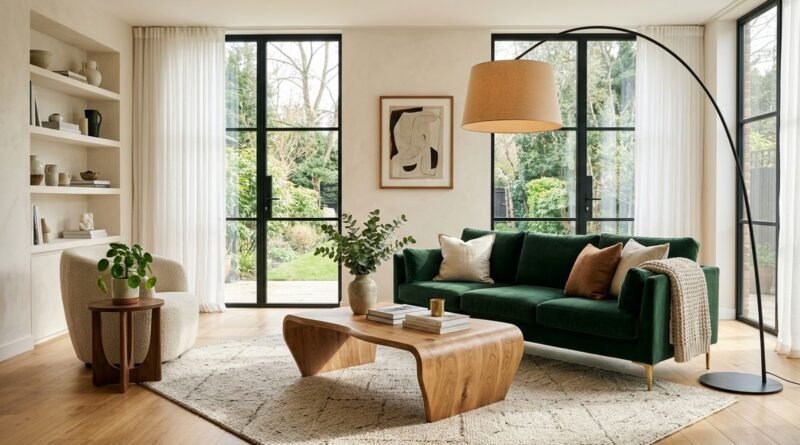
How to Refresh a Busy Living Room Without Replacing Furniture
A living room handles an extraordinary amount of daily activity. It serves as a comfortable lounge after long workdays, a casual homework station, a relaxed dining area, and an ongoing gathering spot for family and pets. Over months of steady use, the space often begins to show subtle signs of exhaustion. Pillows lose their shape, coffee tables collect scattered clutter, and the layout starts feeling cramped or disorganized. When this occurs, it is tempting to assume that the only remedy is an expensive shopping trip or an invasive renovation project.
In reality, most living rooms do not suffer from structural flaws; they simply reflect the natural drift of everyday living. A practical refresh focused on clear circulation, durable surface protection, and warm lighting can dramatically transform how a common area feels and operates. By approaching your main living space with an eye toward functional comfort rather than showroom perfection, you can create a room that feels renewed, welcoming, and resilient enough for household routines.
Evaluate Room Flow and Realign Seating
Before adjusting decorative objects or purchasing accessories, examine how people physically move through the room. Furniture tends to creep outward over time or settle into awkward configurations dictated by television cables and wall outlets. Stand at each entryway and trace the natural paths household members take to reach adjoining hallways, doors, and adjacent rooms. If anyone has to dodge a table corner or squeeze past an armchair, the room will inherently feel crowded and tense.
Pulling seating pieces slightly away from perimeter walls often allows a room to breathe more easily. Floating a sofa inward establishes an intentional conversation zone and creates clear walking paths behind seating rather than through the center of social interactions. Angling an accent chair toward the sofa rather than squaring every piece against the baseboards can also open sightlines and make the entire area feel more conversational and spacious.
Pay close attention to table surfaces within reach of each seat. Every person sitting down should have a stable, convenient spot to set a warm mug, a book, or reading glasses without straining. Repositioning existing end tables, introducing a compact wooden stool, or moving an ottoman into a central position can quickly rebalance functionality across the entire seating arrangement without bringing in unnecessary clutter.
Protect and Renew High-Traffic Upholstery
Upholstered furniture bears the brunt of everyday wear. Cushions experience constant friction, pets shed hair, and occasional spills leave subtle blemishes that gradually age the room. When the underlying wooden frame and springs remain structurally sound, discarding an otherwise sturdy sofa is wasteful and unnecessary. Simple, focused maintenance can restore crispness to tired seating surfaces while safeguarding fabric against ongoing wear.
Start by rotating and flipping loose cushions to distribute weight evenly and prevent deep depressions in foam inserts. If fixed back cushions have developed a slumped look, working the fibers by hand or tucking supplementary fiber batting into hidden access zippers can quickly restore supportive volume. Removing pet hair with a rubber squeegee or damp lint brush lifts embedded particles that standard vacuum attachments tend to miss.
When primary seating fabric shows faded spots, stubborn marks, or general wear, slipcovers provide an immediate cosmetic and functional upgrade. Exploring fitted options like BestsofaCovers allows households to protect cushions from pet paws and spills while introducing durable textures and refined tones without purchasing brand-new furniture. Washable covers bring peace of mind, transforming an otherwise fragile centerpiece into a resilient, family-friendly foundation for the entire room.
Balance Layered Lighting and Wall Displays
Overhead ceiling fixtures often bathe a living room in harsh, flat light that highlights surface dust and drains warmth from common areas. A comfortable living room depends on multiple light sources positioned at varying heights throughout the room. Moving lamps across different corners breaks up harsh shadows and allows the space to transition gracefully from energetic daytime activities to relaxed evening wind-downs.
Place warm-toned table lamps near reading chairs, position a floor lamp beside a dim corner, and consider small accent lights on open shelving or console tables. When light emanates from diverse corners at seated eye level, the room immediately feels calmer and more inviting. Adding simple plug-in dimmers makes it easy to transition between functional task lighting and soft, soothing ambient evening glow.
Wall decor also plays an essential role in how spacious or constrained a room feels. Cluttered arrangements of mismatched frames can visually exhaust the eye, while bare walls leave a room feeling cold and unfinished. For inspiration on intentional surface design and room aesthetics, visiting rawreplaymedia.com can guide decisions on framing, visual balance, and focal points that elevate walls without overwhelming the room. Centering art pieces around eye level and grouping related prints together grounds visual interest and creates a cohesive, intentional atmosphere.
Establish Practical Storage and Daily Routines
No living room refresh lasts long without sensible systems to manage the steady stream of household belongings. Remote controls, charging cords, mail, and throw blankets naturally congregate in the living room because that is where people spend their leisure hours. Rather than fighting natural human behavior, introduce simple storage solutions that accommodate how your household genuinely lives.
Broad woven baskets placed near the sofa hold extra throws and floor cushions neatly when not in use. Shallow wooden or ceramic trays placed on coffee tables gather remotes, coasters, and small miscellany into a defined footprint, turning scattered clutter into an organized tabletop arrangement. Closed storage cabinets, low sideboards, or decorative chests can house board games, seasonal linens, and hobby supplies completely out of sight.
Much like establishing reliable pantry routines for keeping kitchen staples fresh, maintaining a shared living space requires straightforward habits that household members can follow without frustration. Dedicating a brief moment at the end of each evening to clear cups, return blankets to baskets, and straighten sofa cushions resets the visual baseline for the following morning, preventing clutter from accumulating into a major chore.
A Practical Sequence for a Living Room Reset
Tackling an entire living room at once can feel overwhelming if you try to address every detail simultaneously. Working through a clear, staged progression keeps the project manageable and ensures that changes provide immediate functional benefits.
- Clear all horizontal surfaces completely so you can evaluate the empty space without visual distractions.
- Adjust large seating pieces to clear primary walking paths and encourage effortless conversation.
- Deep-clean and revitalize upholstery, adding protective washable layers to cushion daily wear.
- Distribute secondary lamps across dim corners to establish a warm, flattering evening glow.
- Return only essential accessories, functional trays, and meaningful decorative items to display surfaces.
Sustaining Everyday Comfort and Function
A successful living room refresh is not about replicating a static showroom catalog. The primary objective is to cultivate an adaptable, supportive backdrop for personal relaxation, shared family meals, quiet reading, and casual conversations. When functional needs take precedence over strict stylistic perfection, a home naturally remains welcoming, comfortable, and easy to maintain over time.
By focusing on layout flow, sturdy surface coverings, layered lighting, and sensible daily storage habits, you can restore energy to your living room. Small, deliberate adjustments preserve existing belongings, respect household routines, and ensure that your shared spaces continue to serve everyday life with comfort and ease.