How to Design a Restful Evening Routine for Better Balance
Modern schedules often blur the boundary between daytime responsibilities and genuine evening rest. When tasks linger on a computer screen or household chores stack up, transitioning into a peaceful mindset can feel surprisingly difficult. Many people carry the residual tension of their day well into the night, leaving little room for quiet reflection. Establishing a thoughtful wind-down routine is a practical way to bring calm and balance back into your daily rhythm.
Rather than treating rest as an afterthought, an effective routine approaches the evening hours with structure and care. You do not need an elaborate schedule or dramatic changes to experience a calmer close to your day. By making subtle adjustments to your environment, introducing light movement, and adopting dependable wellness habits, you can create an inviting sequence that helps your body and mind settle down naturally.
Separating the Workday from Personal Hours
Drawing a clear line between active duties and quiet hours is the first step toward reclaiming your evenings. When you work from home or manage a busy household, obligations easily spill over into the areas where you are supposed to unwind. Without a defined transition, your mind remains alert, constantly anticipating another message, task, or email.
A deliberate transition ritual helps mark the end of the working day. This might involve closing your laptop, stepping away from your desk, or changing into comfortable clothes as soon as your duties conclude. Engaging in a distinct physical cue signals that the day’s demands are complete. When you consciously close the chapter on work, you create the mental room needed to enjoy your personal hours without distraction.
Giving yourself permission to step away from professional communications is equally vital. Continuous notifications keep your attention divided and prevent you from fully resting. By setting devices aside or muting alerts during the dinner hour, you build a healthy emotional buffer that protects your evening peace.
Setting Up a Dedicated Movement Space
Gentle physical activity is an excellent way to release physical tension that accumulates from long periods of sitting or standing. Incorporating light stretching or restorative poses into your evening shifts focus away from mental stress and back toward physical comfort. Even a short session can ease tight shoulders, relieve lower back strain, and encourage steady breathing.
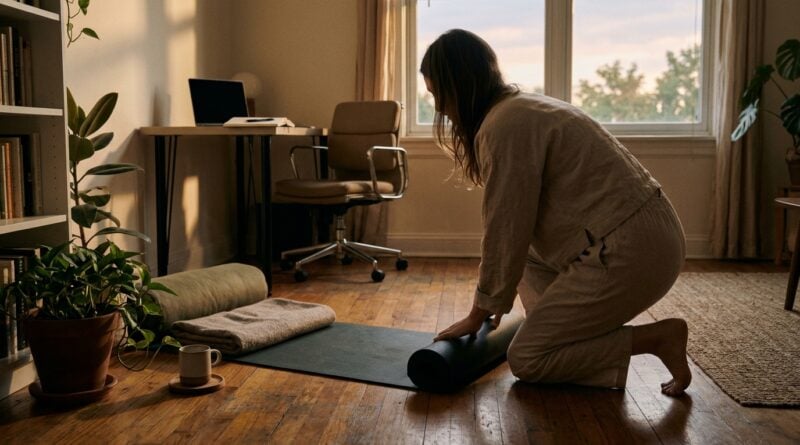
You do not need a large space or specialized equipment to incorporate mindful physical activity into your evening. Clearing a small corner of your living room and laying down a comfortable mat is often all it takes to establish a welcoming practice area. Resources such as bikramyogales.com offer guidance on maintaining a steady practice that works just as well in a living room as it does inside a studio. Taking the time to stretch in an unhurried, comfortable setting allows you to reconnect with your breath and release the physical fatigue of the day.
Consistency matters far more than intensity when it comes to evening movement. Vigorous exercise can sometimes raise your energy when you want to settle down, whereas calm sequences of stretches allow your pulse to slow down gradually. Focus on gentle postures that open the chest, lengthen the spine, and invite physical ease.
Curating Helpful Tools for Daily Balance
While an evening routine relies primarily on consistent habits, thoughtfully chosen wellness products can enhance your overall comfort. Items like soothing herbal teas, calming essential oils, or supportive cushions can transform an ordinary evening into a nourishing personal ritual. The goal is not to clutter your home with unnecessary items, but rather to surround yourself with things that serve a distinct, comforting purpose.
Finding dependable resources for wholesome self-care items helps simplify this process. Companies like Creative Health Cart focus on making healthy living accessible, providing thoughtful options that support everyday personal wellness without unnecessary complication. Selecting items that genuinely align with your lifestyle allows you to craft an evening ritual that feels rewarding and restorative.
When selecting items for your routine, prioritize quality and simplicity over quantity. A simple ceramic mug for warm chamomile tea or a breathable cotton blanket can do more to soothe your senses than a room full of specialized gadgets. Keep your preferred items organized and easy to reach so that beginning your wind-down routine feels effortless every night.
Keeping Expectations Grounded and Intentional
It is easy to feel overwhelmed by the sheer volume of wellness advice shared across media channels. Advice columns and online forums regularly present complex evening schedules, rigid routines, or lengthy multi-step rituals that feel impossible to maintain. Trying to force yourself into an inflexible system often creates new stress, defeating the entire purpose of winding down.
A healthy routine must always adapt to your personal schedule, energy levels, and household responsibilities. What works wonderfully for someone with extensive free time may not suit someone caring for a family or working irregular shifts. Being thoughtful about which habits you adopt is an essential skill, and learning about filtering daily health advice for everyday wellness can help you distinguish between practical guidance and passing trends that add unnecessary burden.
Focus on establishing a flexible framework that accommodates busy days. If you only have a few spare moments on an exhausting evening, completing a shortened version of your routine still provides value. Approaching your habits with grace ensures you return to them naturally without feeling discouraged.
Simple Habits for a Quieter Evening
Establishing a dependable sequence of actions removes the need to make decisions late at night, making it easier to transition toward sleep. When your habits flow smoothly from one to the next, your evening feels deliberate and calm.
Here are several practical habits that help cultivate a calmer nighttime environment:
- Dim overhead lights well before bedtime to create a cozy, ambient environment throughout your home.
- Swap digital screens for a printed book, a personal journal, or gentle instrumental music.
- Prepare your sleeping space by smoothing the sheets, arranging pillows, and keeping the bedroom pleasantly cool.
- Take a few moments to write down tomorrow’s primary tasks so they do not occupy your thoughts during the night.
Each of these small actions serves as an environmental cue that the day is drawing to an end. Lowering the brightness of your living area signals that it is time to prepare for rest, while stepping away from interactive devices allows your thoughts to settle without ongoing stimulation.
Writing down outstanding tasks before getting into bed is especially helpful for mental clarity. When lingering to-do lists remain in your head, you may spend quiet hours trying to remember them. Releasing those thoughts onto a notepad gives your mind permission to rest until morning comes.
A restorative evening routine is not about achieving perfection or following rigid rules. It is about intentionally carving out a small pocket of peace amidst the noise and demands of everyday life. By honoring the transition from day to evening, nurturing your body with gentle movement, and choosing habits that support genuine comfort, you build a foundation for lasting balance.
Take time to explore what brings you the greatest sense of ease, adjusting your habits as your personal circumstances change. As you establish these gentle boundaries and peaceful rituals, your evenings can transform into a reliable haven of rest and personal restoration.