
How to Coordinate On-Site Client Visits Without Stress
Meeting clients at their homes, storefronts, or office facilities can build rapport that digital calls rarely match. Visiting a client in person allows you to understand their physical space, observe their daily operational challenges firsthand, and demonstrate genuine commitment to their project. At the same time, traveling between multiple locations introduces unpredictable variables, including traffic congestion, misplaced equipment, and scheduling delays that quickly drain your energy.
Balancing time on the road with focused client service requires a clear framework. When you treat your travel days as structured business operations rather than casual road trips, you protect your productivity and preserve your professional composure. Learning how to organize your appointments, prepare your vehicle, and communicate expectations transforms chaotic travel schedules into predictable, rewarding days.
Establishing Clear Boundaries and Agendas Early
On-site meetings frequently run past their intended duration because conversations naturally expand when people gather face to face. A productive consultation begins days before you start your car. Always send a brief outline detailing the goals of the meeting, the specific topics you plan to address, and the expected finish time. This clarity helps clients collect necessary documents or gather key team members before you arrive, eliminating awkward downtime.
Confirming the practical logistics of the visit is equally important. Inquire about gate codes, visitor parking areas, check-in desks, and safety equipment beforehand so you do not waste time searching for spaces or waiting outside locked doors. Clarifying these minor details in advance keeps your focus entirely on serving the client rather than solving building navigation puzzles.
Adopting clear terms and standardized workflows helps keep every stakeholder on the same page throughout the engagement. When you want to streamline administrative communication and find practical digital tools for everyday workflows, reviewing resources on BusinessPhrases can help you build simple habits that reduce friction with clients. Setting these expectations early protects both your calendar and your peace of mind.
Clustering Appointments by Geographic Region
A frequent misstep among independent professionals is crisscrossing town in response to individual scheduling requests. Driving back and forth across a busy metropolitan area consumes fuel, causes unnecessary fatigue, and leaves little room for unexpected road delays. Instead of booking meetings strictly based on customer requests, group appointments into distinct geographic clusters.
Assign specific days of the week or blocks of time to certain neighborhoods or surrounding towns. When a prospective client asks for an in-person assessment, offer them available slots on the specific day you plan to visit their district. Most clients understand and appreciate that you maintain a regional schedule, especially when you explain that clustering visits ensures timely arrival and undivided attention.
Always build a generous buffer between scheduled sessions. Travel time rarely matches the ideal estimates provided by navigation apps during morning or evening rush hours. Allowing ample transition time between appointments gives you space to handle unexpected delays, jot down notes while the conversation is still fresh in your mind, and arrive at your next destination composed rather than rushed.
Preparing Your Vehicle for Uninterrupted Travel
When your daily work depends on reaching client locations reliably, your car functions as an extension of your office. A mechanical failure during transit does not just derail your immediate appointment; it damages client trust and disrupts downstream meetings planned for the rest of the day. Consistent preventative vehicle care is essential for anyone who travels regularly for work.
Mechanical trouble is the quickest way to ruin an appointment schedule. Conducting a brief physical inspection under the hood takes only a few minutes before you depart for a full day of meetings. Following a simple routine for checking visible hoses and belts allows you to spot fraying rubber, loose connections, or early leaks before you head onto the highway. Identifying minor wear in your driveway avoids stressful breakdowns on the side of the road.
Keep your vehicle clean, organized, and stocked with emergency necessities. Maintain proper tire pressure, ensure all external lights function properly, and always keep an umbrella, a flashlight, and bottled water inside the cabin. A well-maintained vehicle provides peace of mind and keeps you focused on your upcoming client conversations rather than mechanical anxiety.
Packing a Dependable Mobile Work Kit
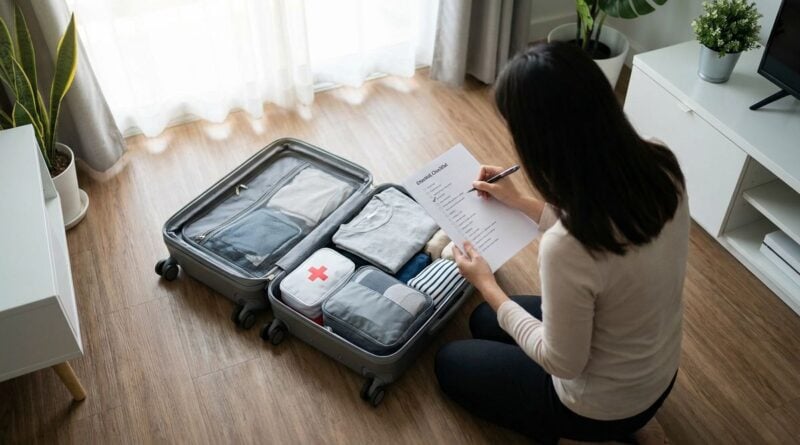
Scrambling to find an adapter, a printed agreement, or a spare pen in front of a client looks unprofessional. Organizing a dedicated travel bag ensures that every necessary tool is always within reach. Your travel kit should contain everything required to deliver your service without relying on the client to provide basic office supplies.
A practical on-site kit should remain packed and ready near your door:
- Charged portable battery packs and multi-device charging cables
- A dedicated folder containing clean physical contracts, rate sheets, and intake forms
- A compact presentation folder with professional business cards and marketing literature
- A small personal comfort pouch with breath mints, hand sanitizer, and stain-removal wipes
Audit your kit at the end of each travel day to replenish depleted forms and recharge electronic devices. Treating your mobile kit as a permanent workstation ensures you never arrive at a client site unprepared, regardless of how hectic your morning might be.
Sharpening In-Person Professional Presence
The way you conduct yourself on-site establishes your reputation long before your project deliverables are completed. Punctuality is the cornerstone of professional presence, but arriving too early can be just as disruptive as arriving late. If you reach the client’s neighborhood early, park down the street and use the extra time to review your meeting notes rather than knocking on their door before the agreed hour.
During the appointment, respect the client’s environment by keeping your personal belongings compact and organized. Actively listen to their concerns, take deliberate notes, and summarize key action items before you pack your materials. Establishing this rhythm demonstrates that you value their time and take your professional obligations seriously.
Showing up calm, prepared, and composed signals true competence. Developing strong personal communication and adopting modern professional habits allows you to distinguish yourself in a crowded field. Browsing strategic insights on High99.biz can provide valuable ideas for sharpening your edge and presenting your services with lasting authority. Continuous refinement of your professional presence turns everyday consultations into lasting business relationships.
Managing on-site client visits does not have to feel like an exhausting juggling act. By establishing clear agendas, clustering your appointments geographically, and maintaining your transportation, you transform your travel days into structured, productive opportunities to grow your business.
When you prepare both your mobile tools and your mindset, you leave a lasting impression of reliability on every client you visit. Thoughtful preparation keeps your schedule manageable, protects your stamina, and ensures that every in-person interaction reflects the very best of your expertise.

