
Indoor vs. Outdoor RV Storage: Which Is Better for Your Vehicle?
If you own an RV, you already know it’s more than just a vehicle—it’s an investment in adventure. But when the open road isn’t calling, where you park that investment matters. Choosing between indoor and outdoor storage can feel like a small decision, but it has a big impact on your RV’s longevity, appearance, and resale value. Let’s break down the pros and cons of each option so you can make the right call for your rig.
Understanding Your Storage Options
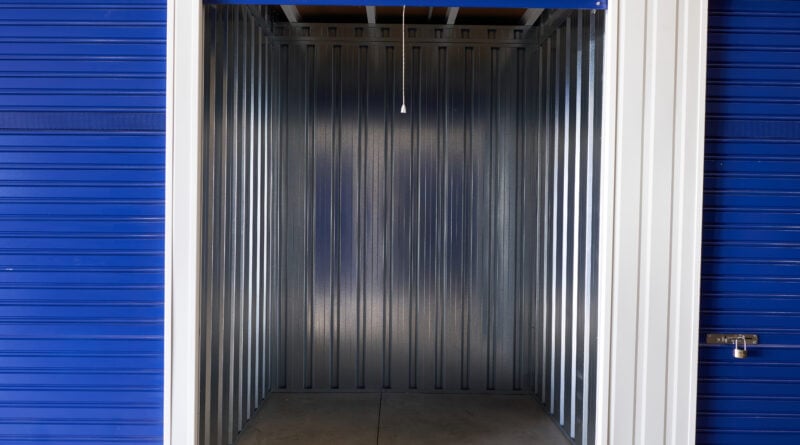
Before diving into specifics, it helps to understand what each storage type actually offers. Outdoor storage typically means parking your RV in an open lot, sometimes with minimal security features like fencing or gated access. Indoor storage, on the other hand, places your vehicle inside a covered facility—think of it as a rented storage unit designed specifically for large vehicles, shielding it from the elements entirely.
Both options exist because RV owners have different needs, budgets, and priorities. The right choice depends on your climate, how often you use your RV, and how much you’re willing to spend on protection.
The Case for Outdoor Storage
Outdoor storage is the more budget-friendly option, and that affordability is a major draw for many RV owners. Storage rental costs for uncovered lots are generally lower than their indoor counterparts, making this an attractive choice if you’re watching your wallet.
Accessibility is another perk. Outdoor lots often allow for easier maneuvering, especially if you own a larger motorhome or travel trailer that might be tricky to navigate into a covered space. You can typically come and go without needing to coordinate with facility staff.
That said, outdoor storage leaves your RV exposed to sun, rain, snow, and wind. Over time, UV rays can fade exterior paint and crack seals, while moisture can lead to mold or water damage. If you live in an area with harsh winters or intense summer heat, these risks multiply.
The Case for Indoor Storage
Indoor storage offers a level of protection that outdoor lots simply can’t match. Your RV stays shielded from precipitation, temperature swings, and UV exposure, which helps preserve its exterior finish and interior components alike. This is especially valuable if you’re storing a newer or higher-value RV that you want to keep in pristine condition.
Security is another advantage. Indoor facilities often come with additional safeguards, such as surveillance cameras, controlled access points, and sometimes even climate control. For owners who store their RV for extended periods between trips, this added peace of mind can be worth the investment.
Of course, indoor storage comes at a premium. Renting covered space costs more than an open lot, and availability can be limited, particularly for larger vehicles. You may also need to book well in advance, especially during peak seasons when demand for a rented storage unit spikes.
Factors to Consider When Choosing
So how do you decide? Start by thinking about your local climate. If you live somewhere with mild weather year-round, outdoor storage might be perfectly adequate. But if you’re dealing with heavy snow, intense sun, or coastal humidity, indoor storage could save you from costly repairs down the line.
Next, consider your RV’s value and how long it will sit in storage. A vehicle you use frequently might not need the same level of protection as one that sits idle for months at a time. Budget also plays a role—weigh the cost of storage rental against the potential expense of weather-related repairs or diminished resale value.
Finally, think about convenience. If you need quick, flexible access to your RV, outdoor storage might better suit your lifestyle. If protection and peace of mind matter more than convenience, indoor storage is likely the better fit.
Making the Right Choice for You
There’s no universal answer to the indoor versus outdoor storage debate—it truly depends on your unique circumstances. Take stock of your climate, budget, and how often you hit the road, then choose the storage solution that aligns with your priorities. Whichever you choose, proper storage is one of the simplest ways to protect your RV investment for years of adventures to come.


