
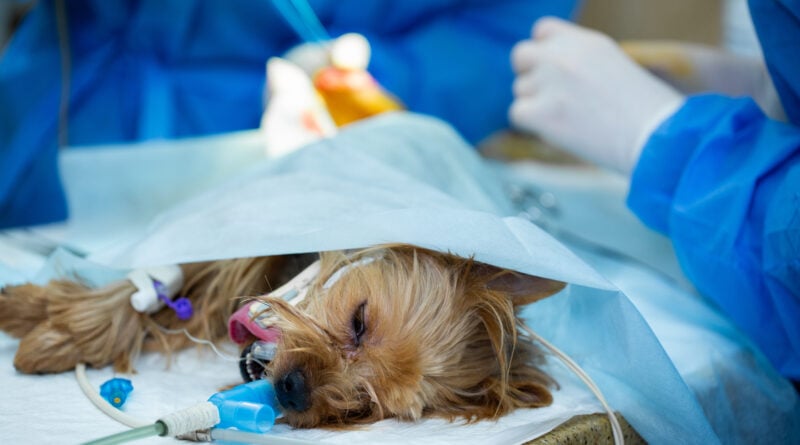
What Is Gastropexy Surgery, and Which Dogs Need It?
If your dog has been diagnosed with a risk for bloat, or if you’ve recently adopted a large or deep-chested breed, you may have heard your veterinarian mention gastropexy. It’s a term that sounds intimidating, but understanding what it is—and why it matters—can help you make informed decisions about your dog’s health.
Understanding Gastropexy Surgery
Gastropexy is a surgical procedure in which a veterinarian attaches the stomach to the abdominal wall. This prevents the stomach from twisting on itself, a dangerous condition known as gastric dilatation-volvulus, or GDV. GDV, commonly referred to as bloat, occurs when the stomach fills with gas and then rotates, cutting off blood flow to vital organs. Without quick intervention, this condition can be fatal within hours.
During a gastropexy, the surgeon creates a permanent attachment between the stomach and the body wall, usually on the right side of the abdomen. This tether doesn’t prevent bloating itself, but it does stop the stomach from flipping, which is the truly life-threatening part of the condition. Think of it as securing a loose piece of furniture to the wall; the item can still shift slightly, but it can’t tip over and cause harm.
Why Some Dogs Are More at Risk
Not every dog faces the same level of risk when it comes to bloat. Certain physical traits make some breeds far more susceptible than others. Deep-chested dogs, those with a narrow, tall torso rather than a wide, barrel-shaped one, tend to have more room for the stomach to move and twist.
Large and giant breeds are particularly vulnerable. Dogs such as Great Danes, Weimaraners, Standard Poodles, German Shepherds, Saint Bernards, and Doberman Pinschers are frequently mentioned by veterinarians as higher-risk candidates. Age can also play a role, with older large-breed dogs often facing increased susceptibility compared to their younger counterparts.
Other contributing factors include eating habits, such as consuming food too quickly or exercising vigorously right after a meal. Dogs with a family history of bloat are also considered to be at greater risk, suggesting a genetic component may be involved.
When Gastropexy Is Recommended
There are generally two scenarios in which gastropexy comes into play. The first is emergency surgery, performed after a dog has already experienced a bloat episode. In this case, the gastropexy is typically done alongside the procedure to untwist the stomach and address immediate damage, helping to prevent a recurrence.
The second, and arguably more valuable, scenario is preventive or prophylactic gastropexy. This involves performing the procedure before any bloat episode occurs, often during a routine spay or neuter surgery for at-risk breeds. Many veterinarians recommend this proactive approach for dogs with a known predisposition, since it eliminates the possibility of the life-threatening twisting component of bloat altogether.
Choosing preventive gastropexy is a conversation worth having with your veterinarian, especially if you own a breed known for higher risk. It’s a decision that weighs the relatively minor inconvenience of an additional procedure against the potentially catastrophic outcome of an untreated bloat emergency.
What Recovery Looks Like
Recovery from gastropexy surgery generally mirrors recovery from other abdominal procedures. Dogs typically need restricted activity for a period of time, pain management, and monitoring of the incision site. Most dogs bounce back well and return to their normal routines once healing is complete, often resuming full activity without any lingering effects from the procedure.
Talking to Your Veterinarian
If you’re unsure whether your dog could benefit from gastropexy, the best step is an honest conversation with your veterinarian. They can assess your dog’s breed, body type, family history, and overall health to determine whether preventive surgery makes sense.
Understanding gastropexy empowers you to make proactive choices for your dog’s long-term well-being. For breeds prone to bloat, this procedure can be a meaningful way to protect against a condition that develops quickly and demands immediate attention. Being informed now means you’re better prepared to act, whether that means scheduling a preventive surgery or recognizing the warning signs of an emergency down the road.


